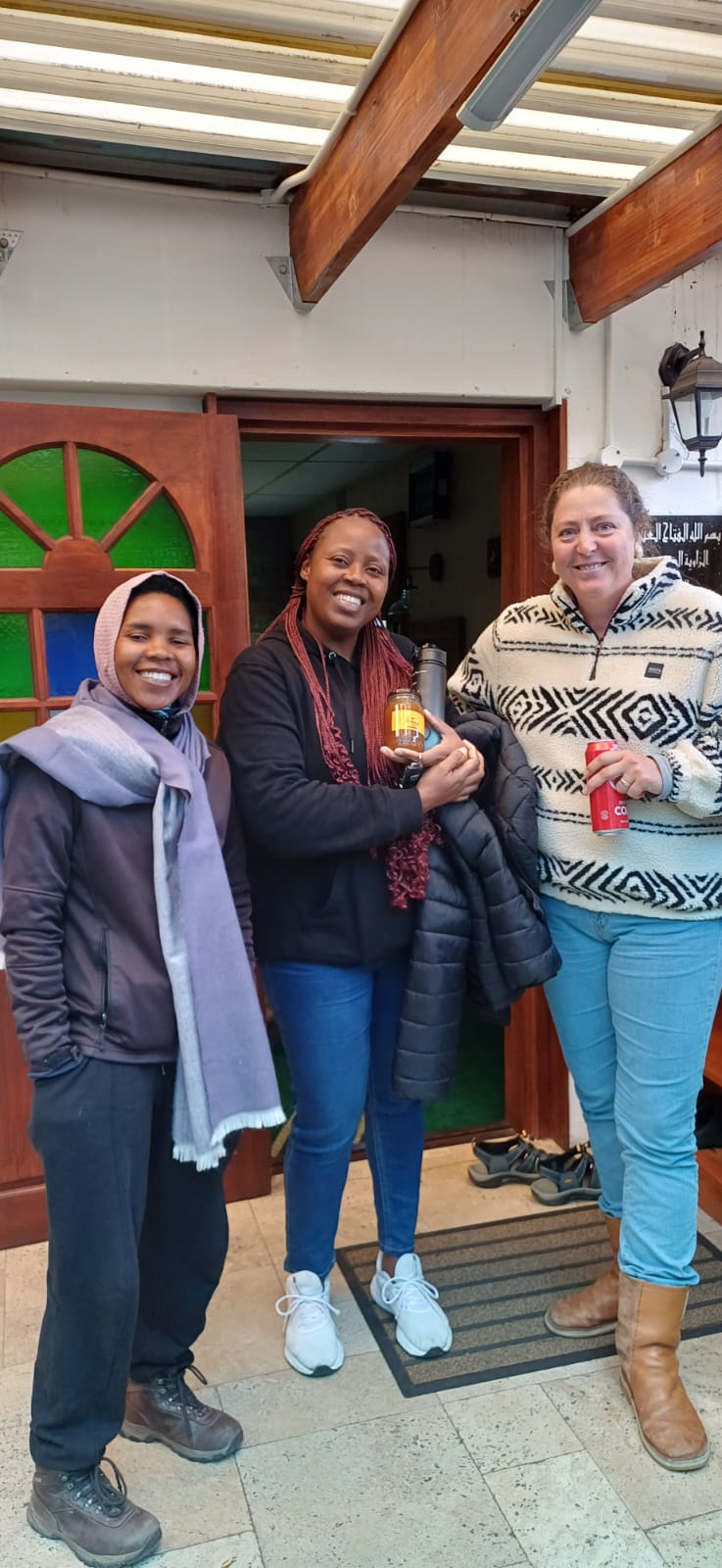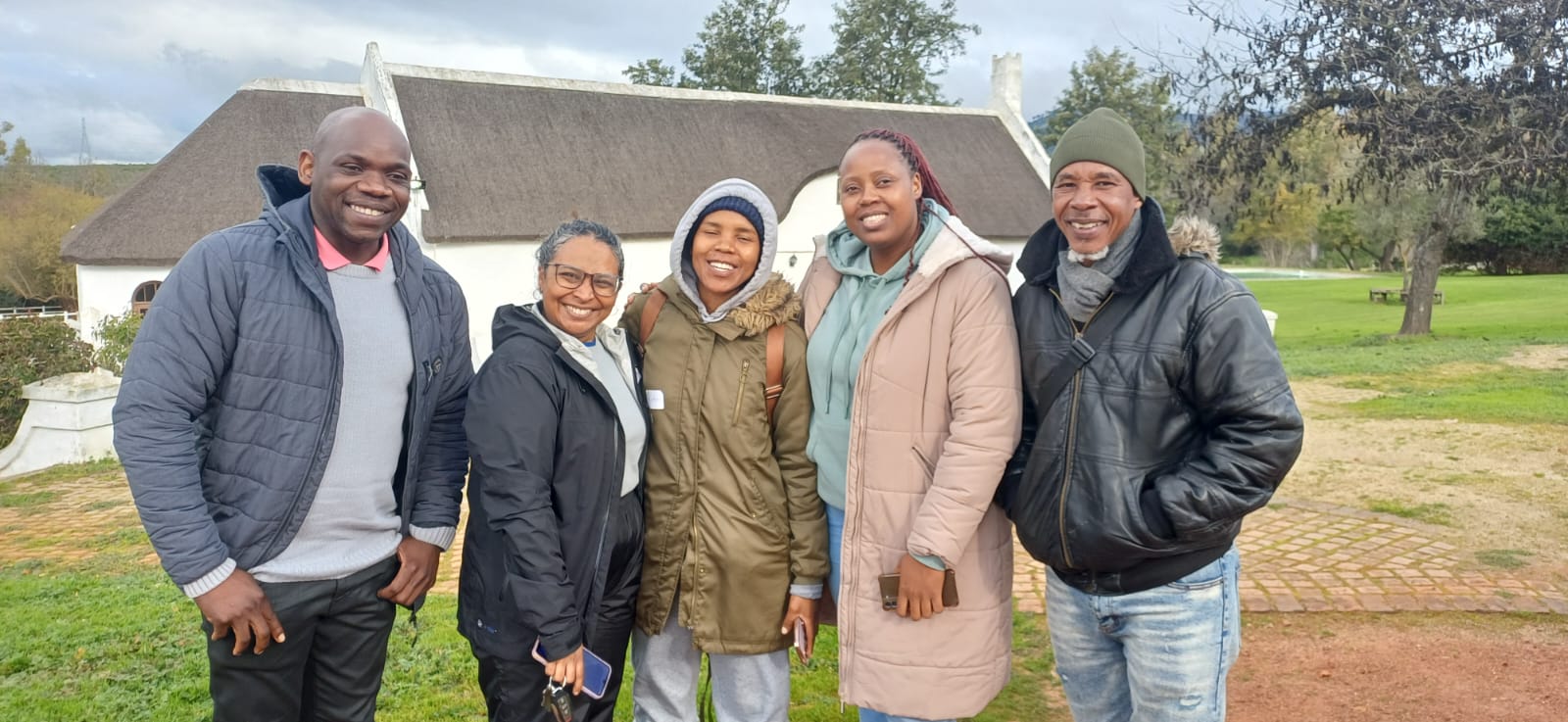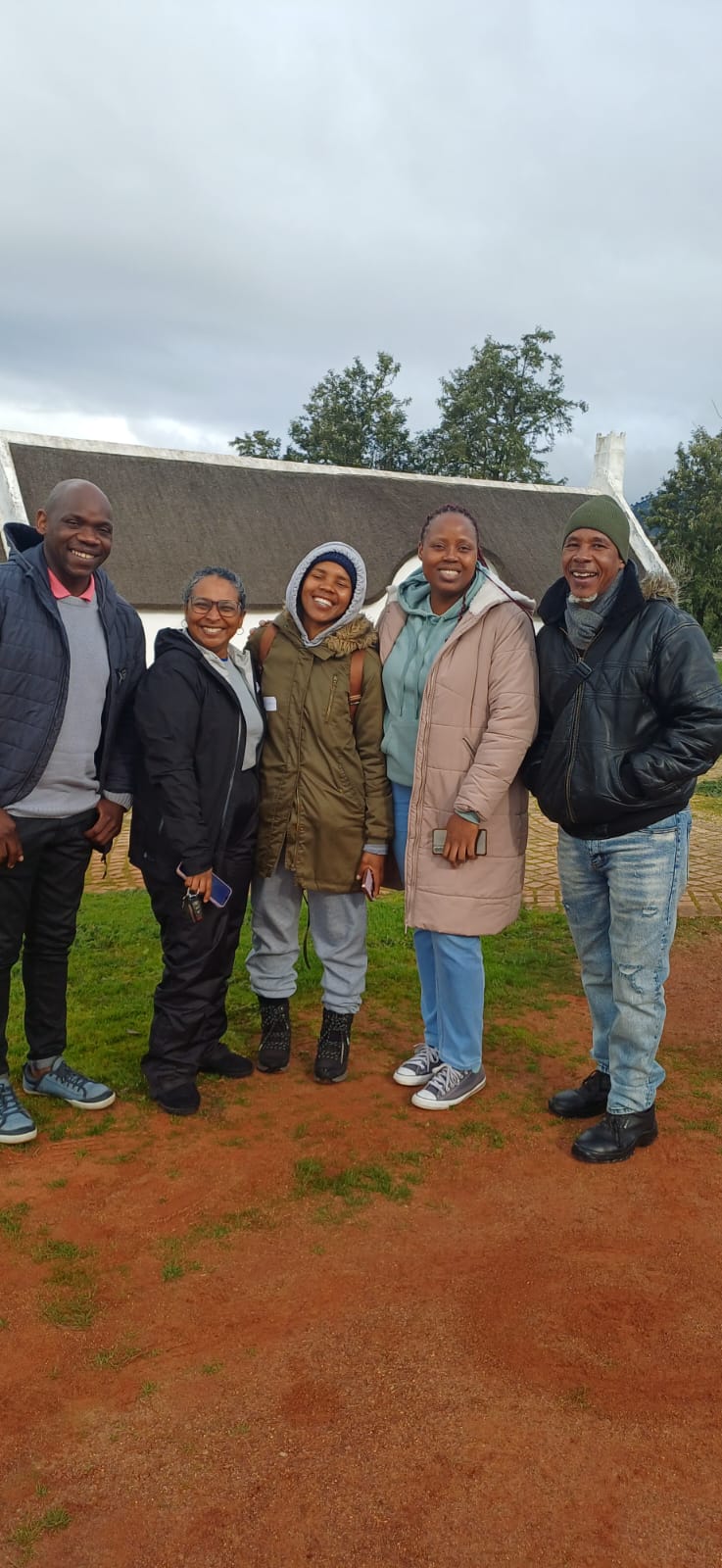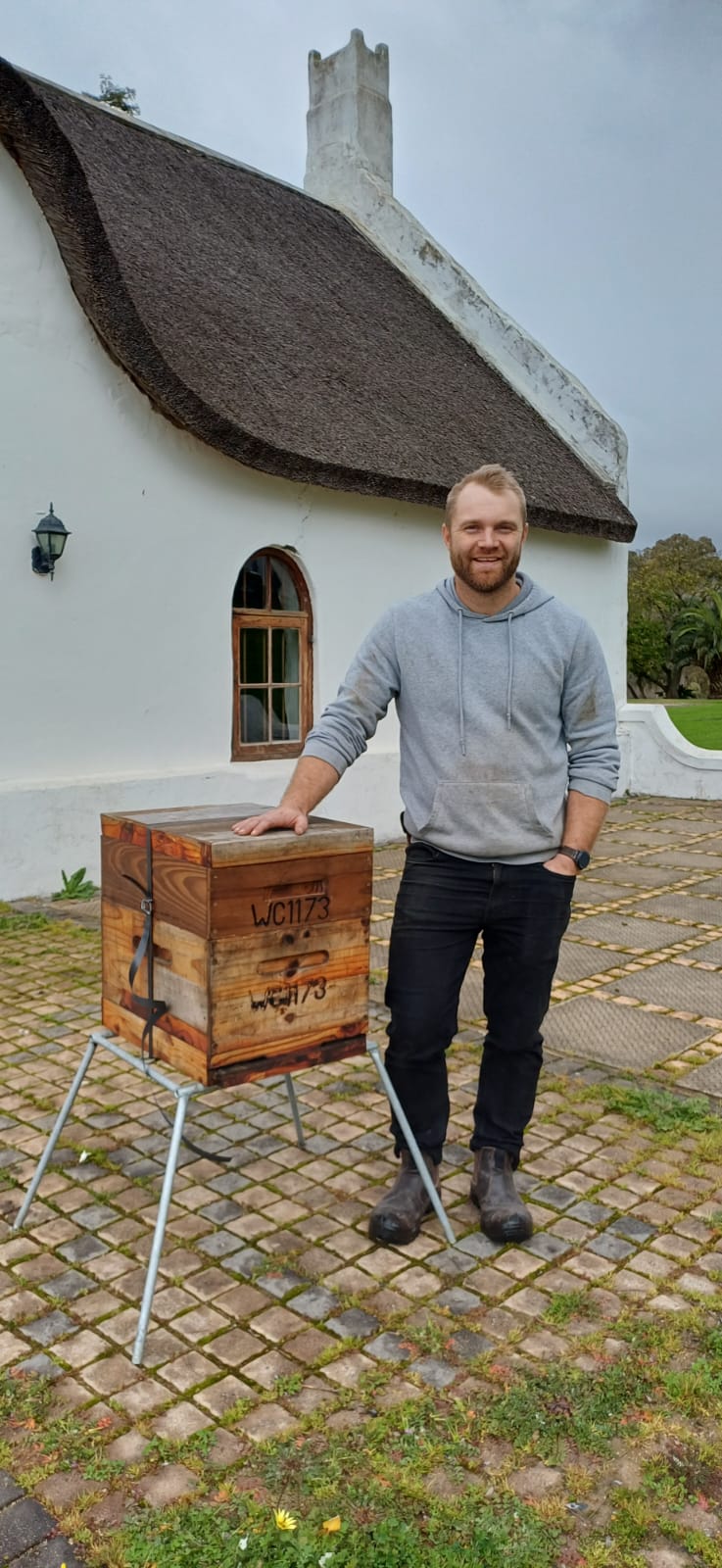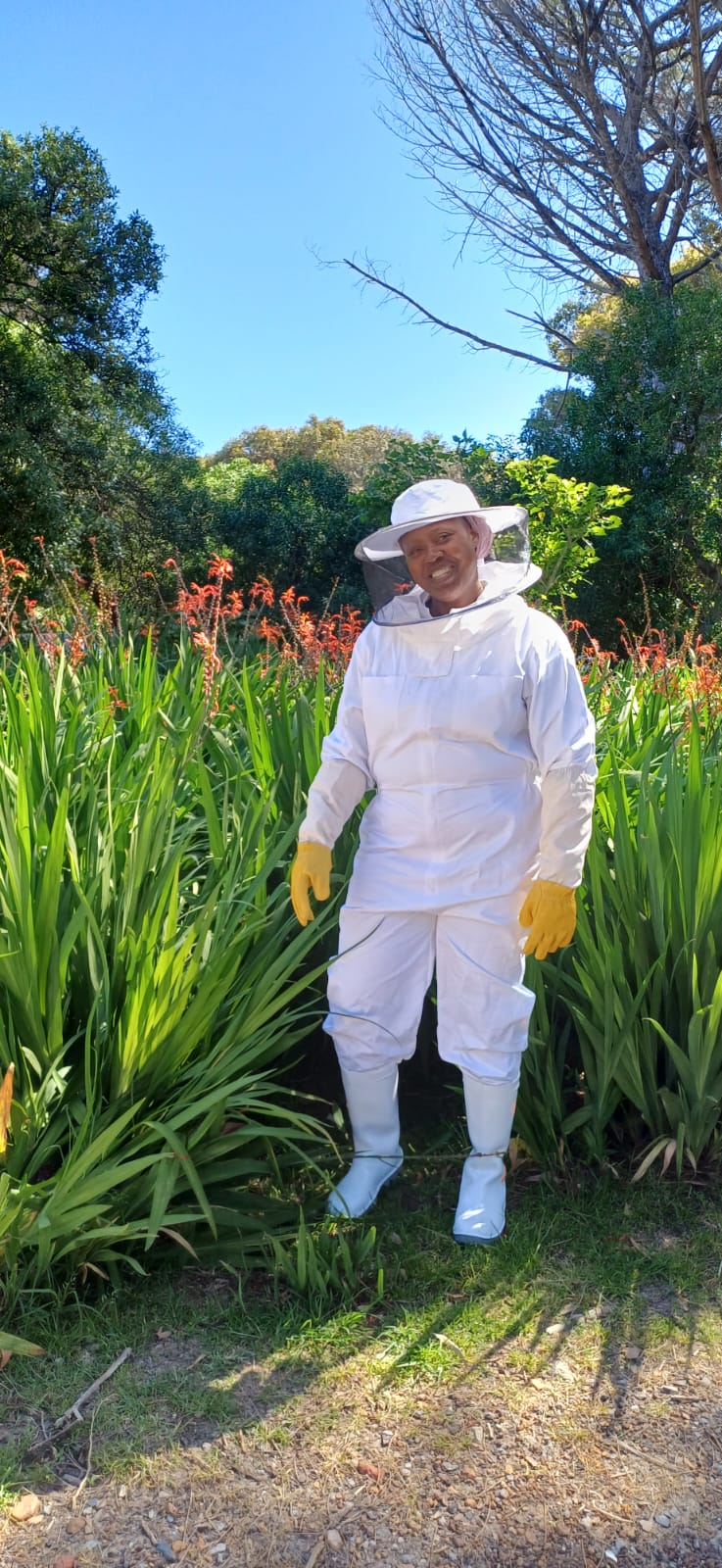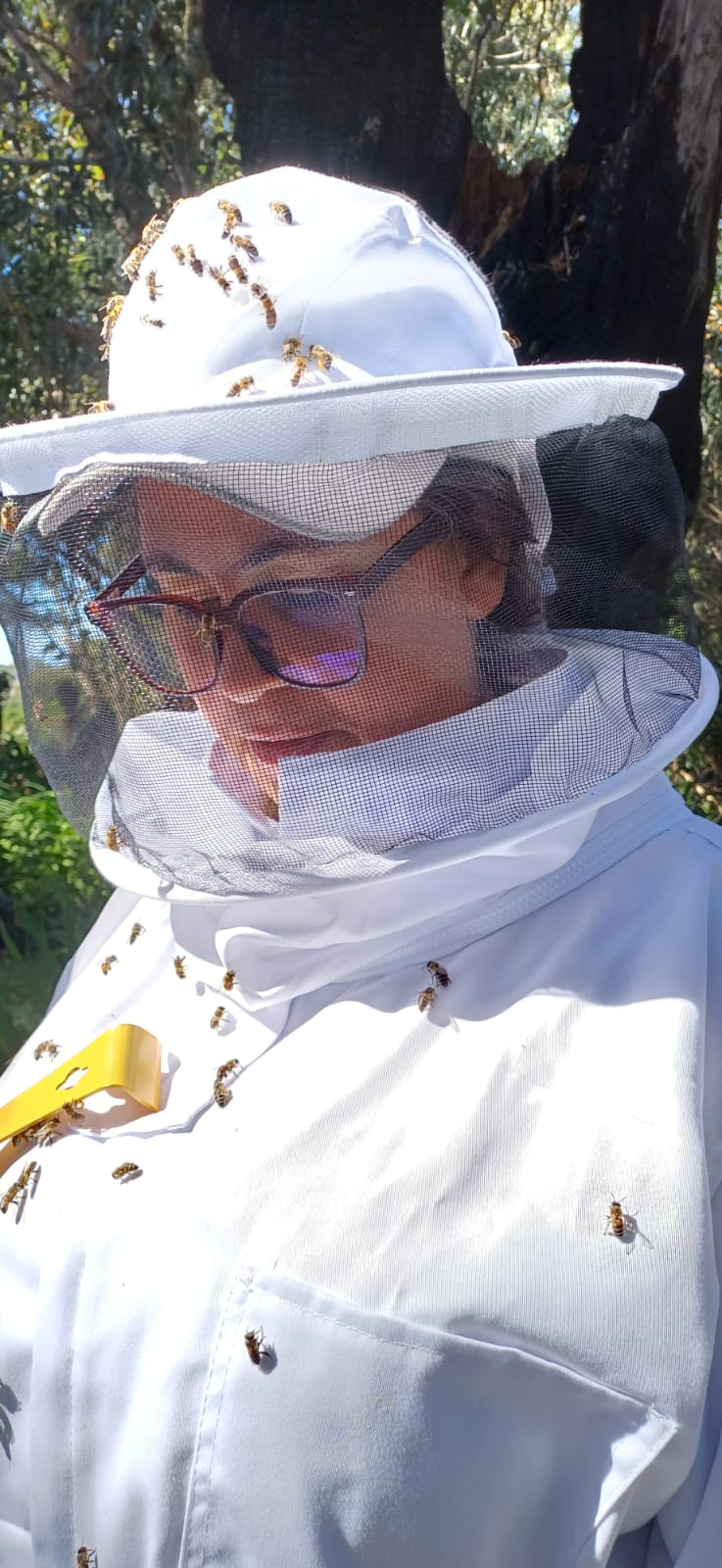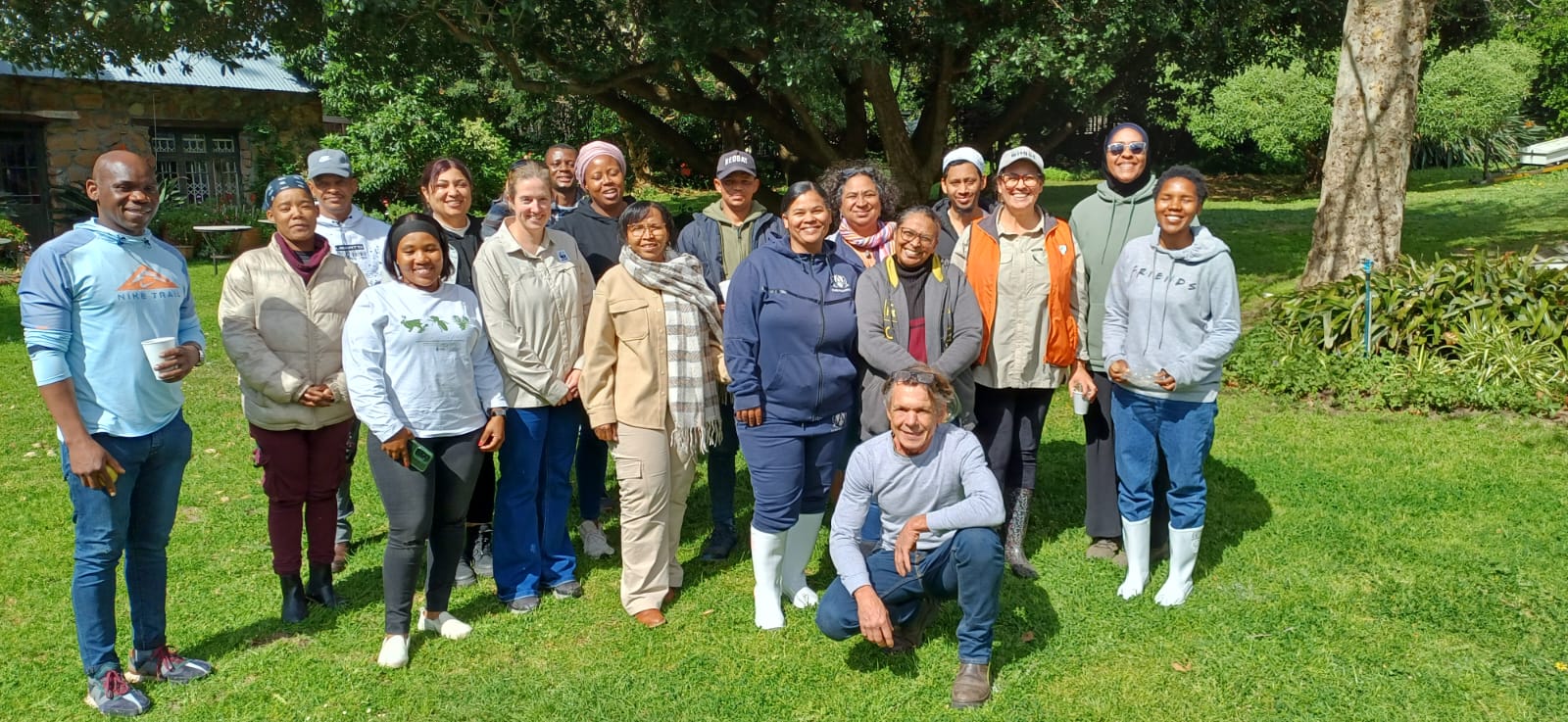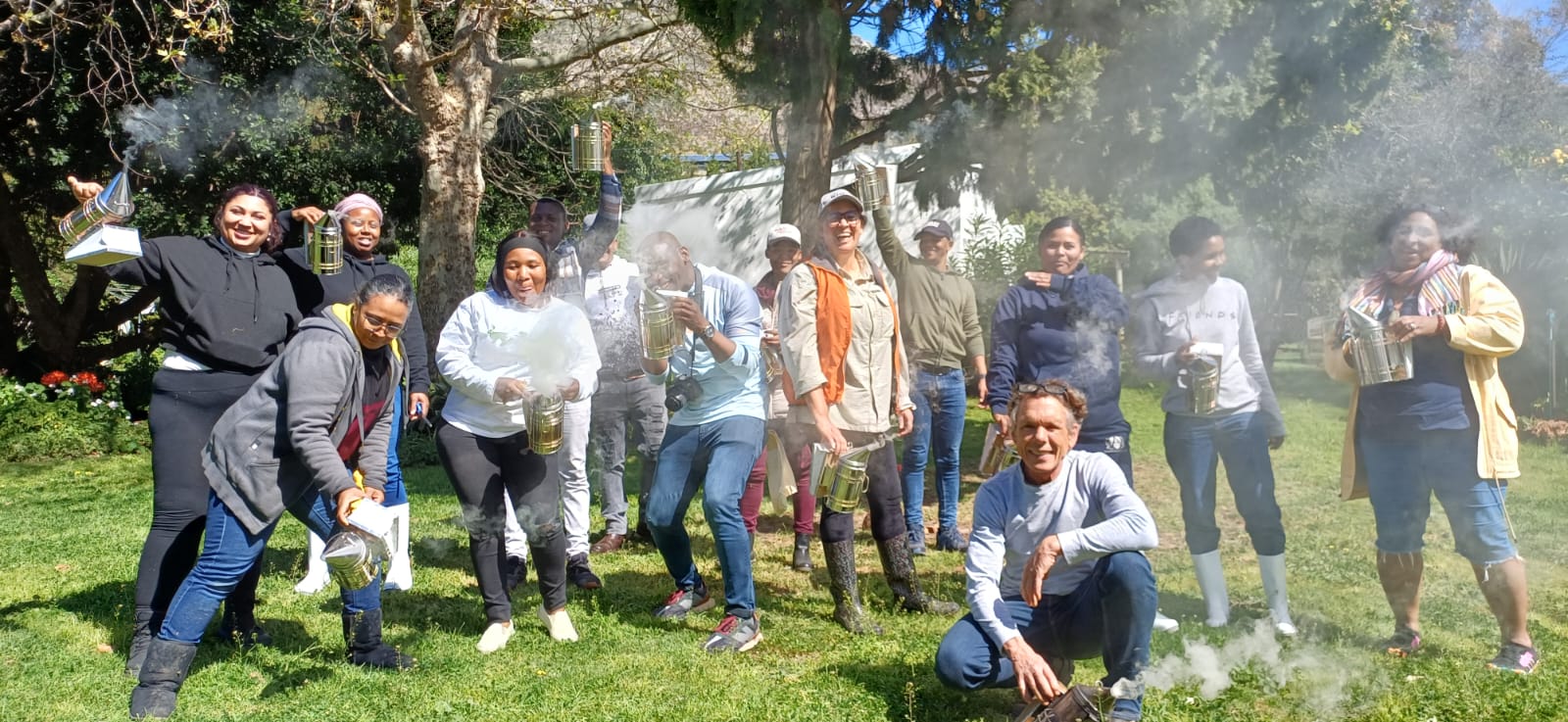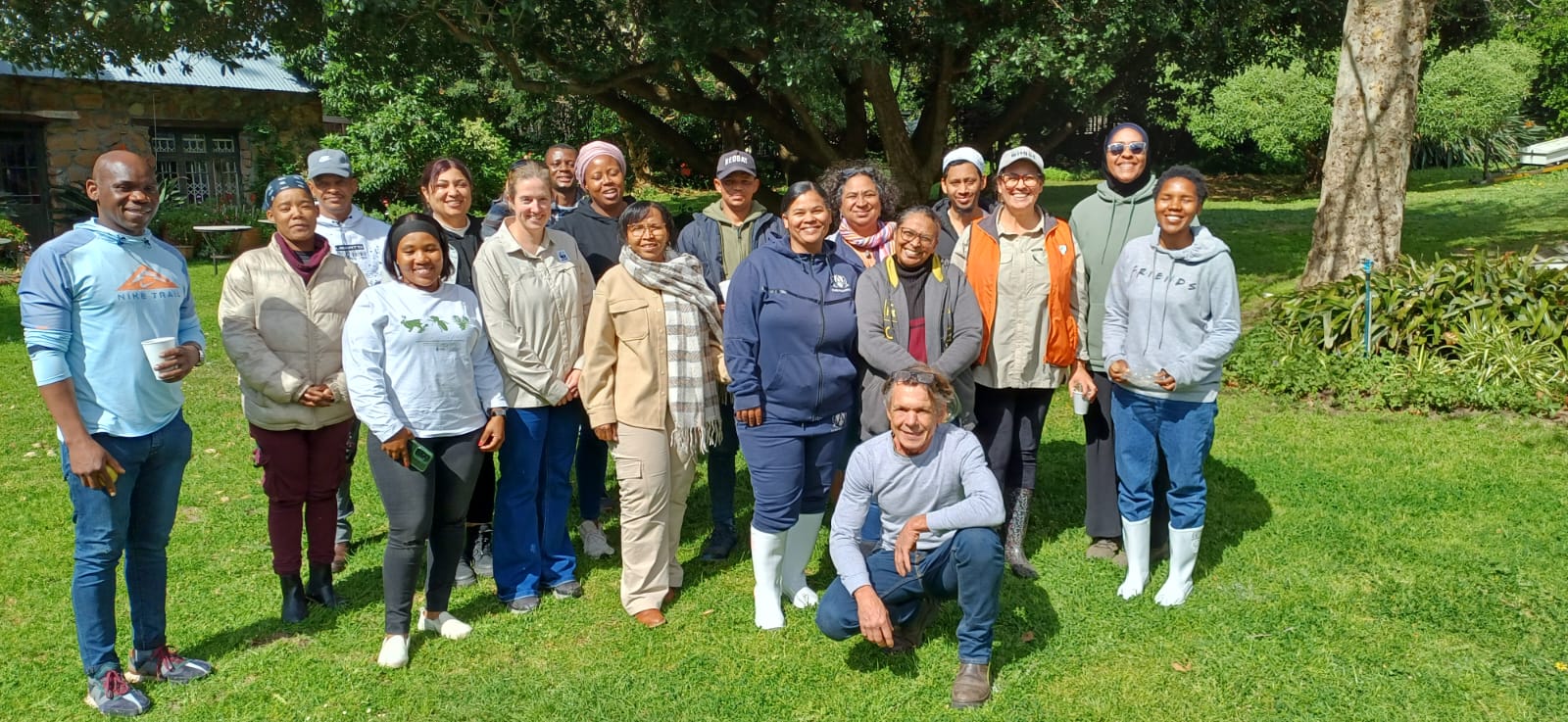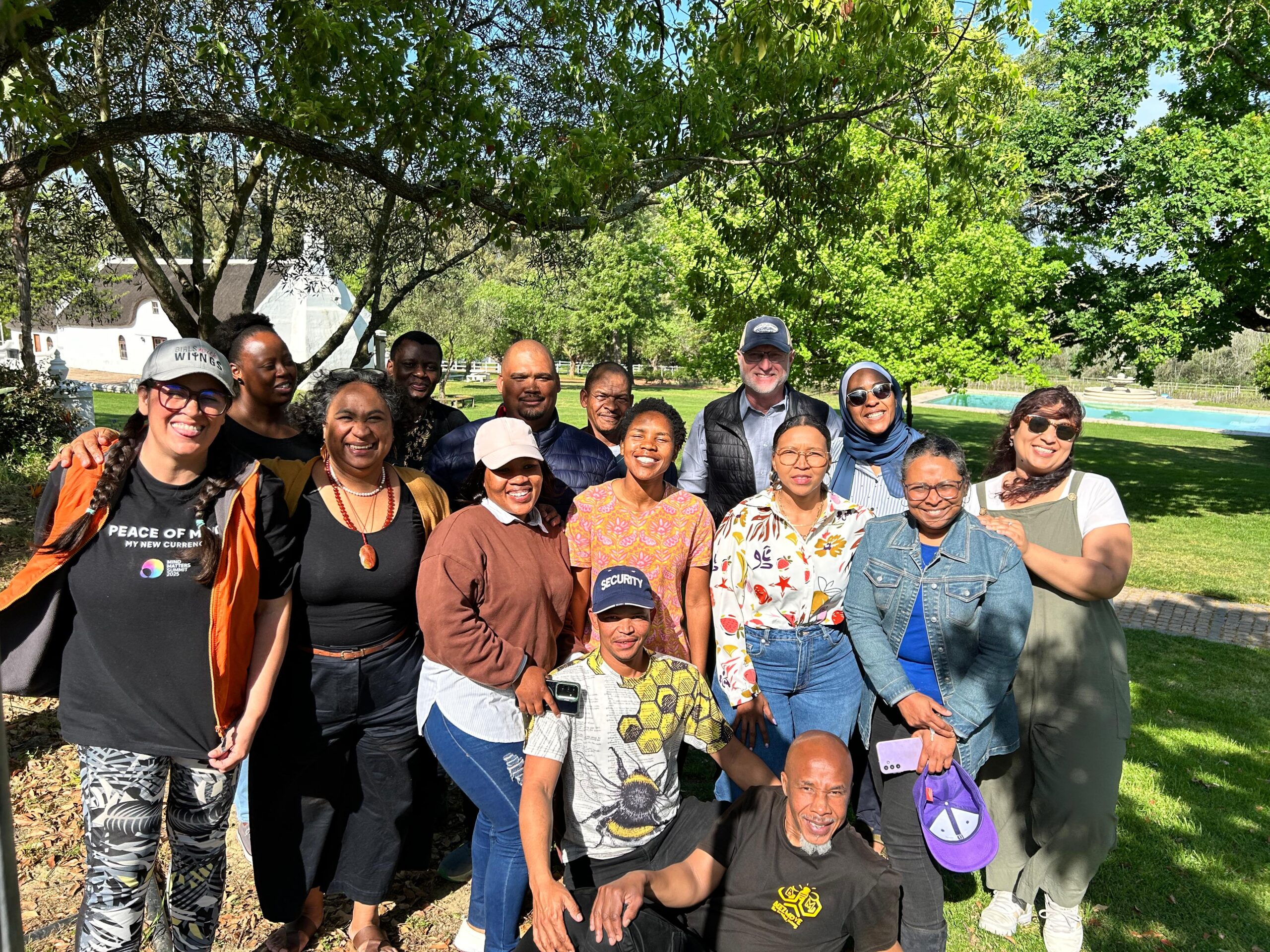
BeeGood Africa is a new training project by HoneyatDawn, with initial funding and support from the World Wildlife Fund and the Nedbank GreenTrust. Our intention is to lower the entry barriers for new beekeepers from previously disadvantaged backgrounds to create sustainable income generation opportunities, promote pollinator protection and raise environmental awareness for our native bees and habitat.

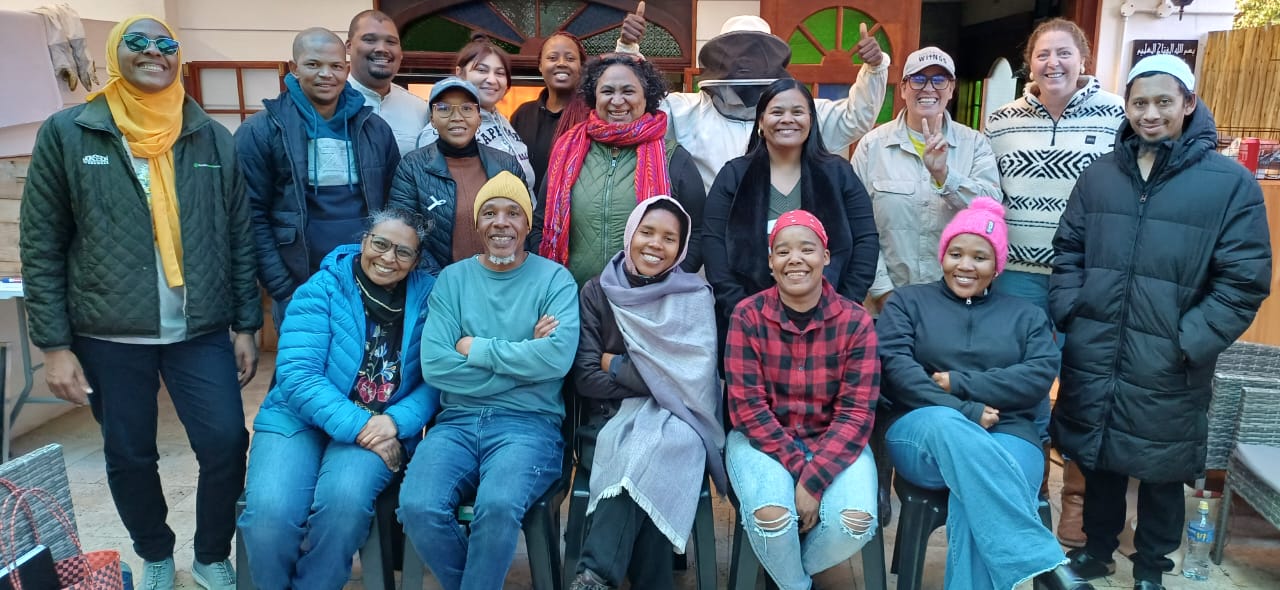
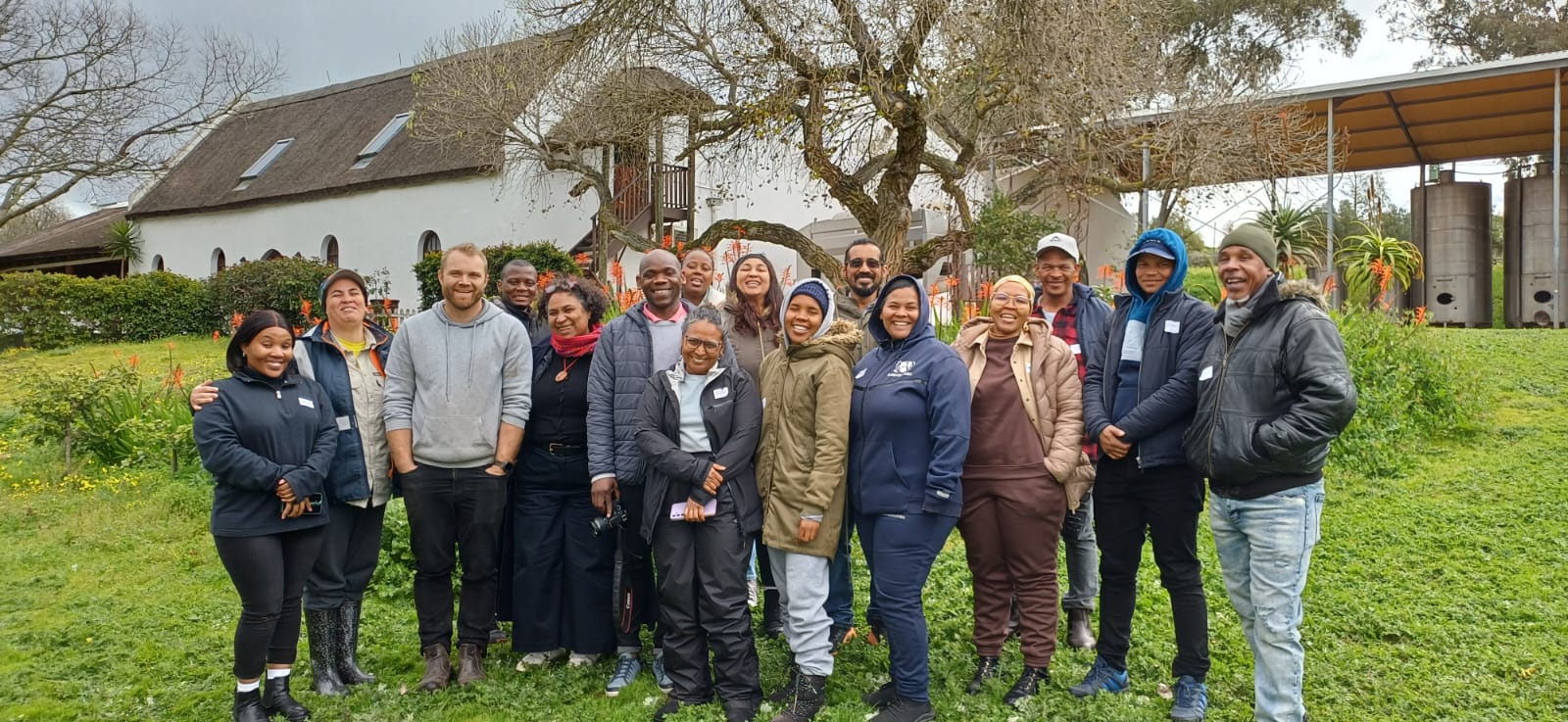
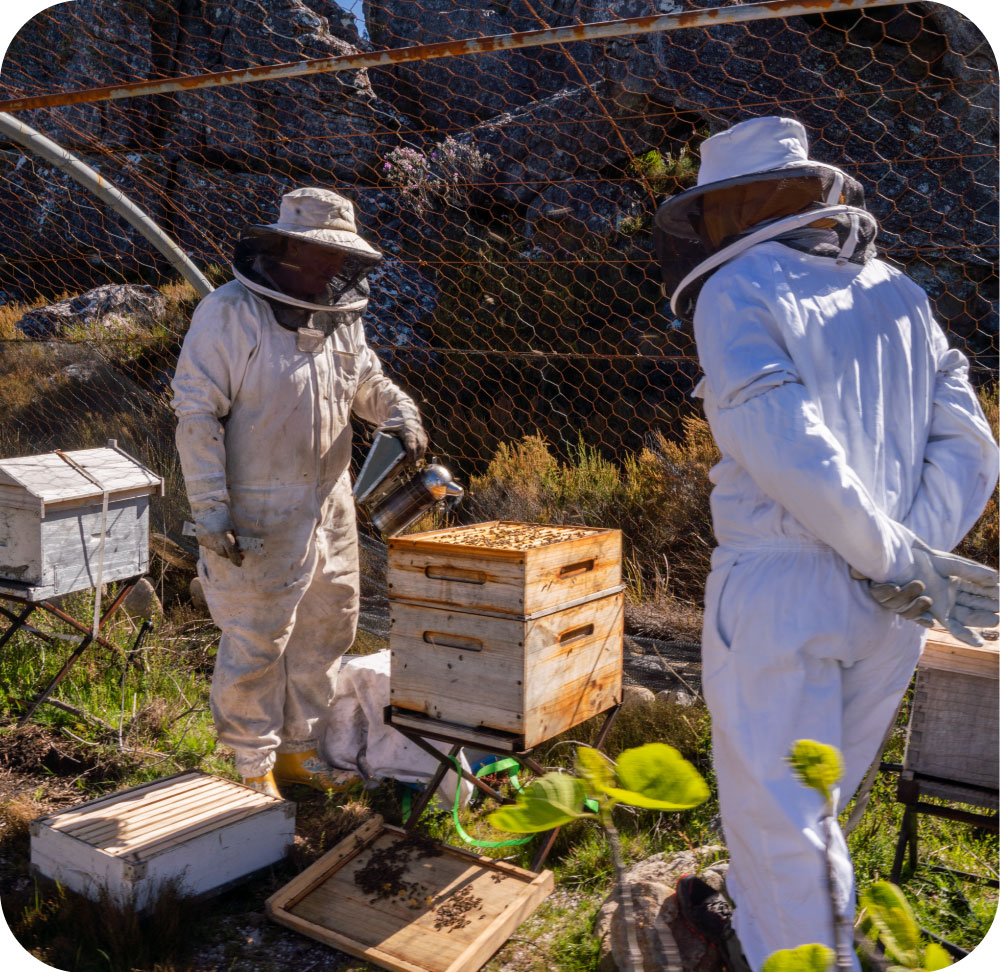
We’re helping 15 new beekeepers in the Western Cape take their first steps with full starter kits, hands-on training, and mentorship. This hive-by-hive journey nurtures communities, protects our environment, and sparks sustainable livelihoods. Together, we’re creating a future where beekeeping empowers and transforms.
The aim of BeeGoodAfrica is creating a model that is scalable and inclusive.
Our goal is to grow a network of trained beekeepers across the Western Cape through job creation, broadening knowledge capacities and supporting the development of long-term sustainable livelihoods.
This work is about reconnecting with the land, strengthening ecosystem services and nurturing biodiversity. It includes increasing the production and supply of local honey, expanding the ecosystem services such as pollination support, and creating value-added products.
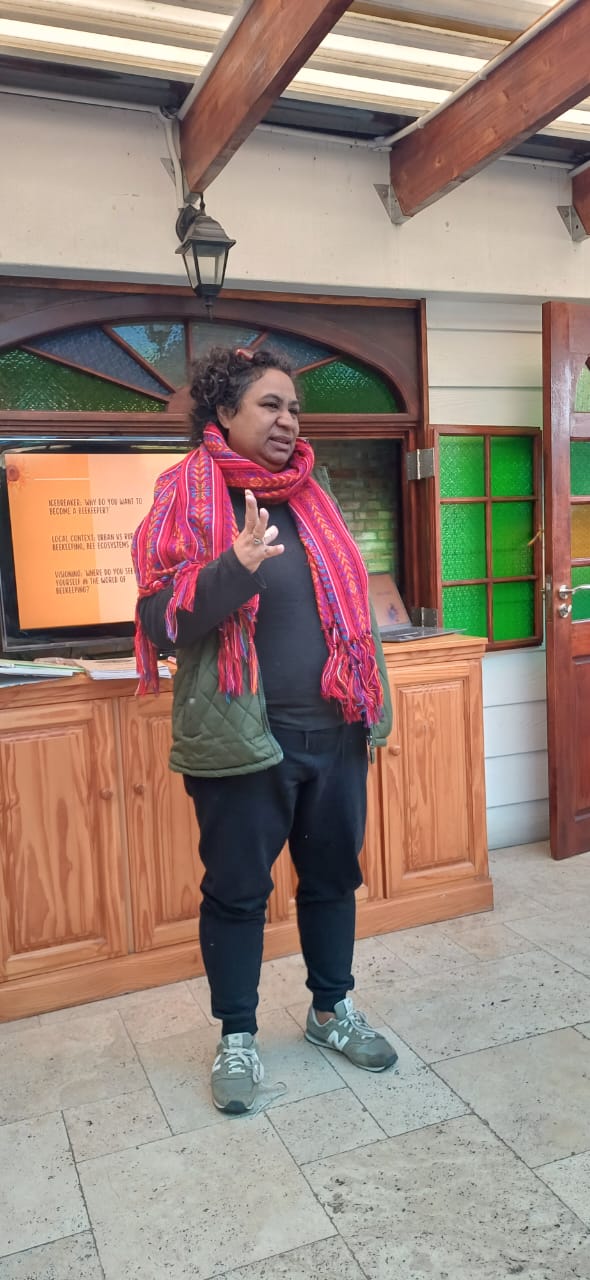
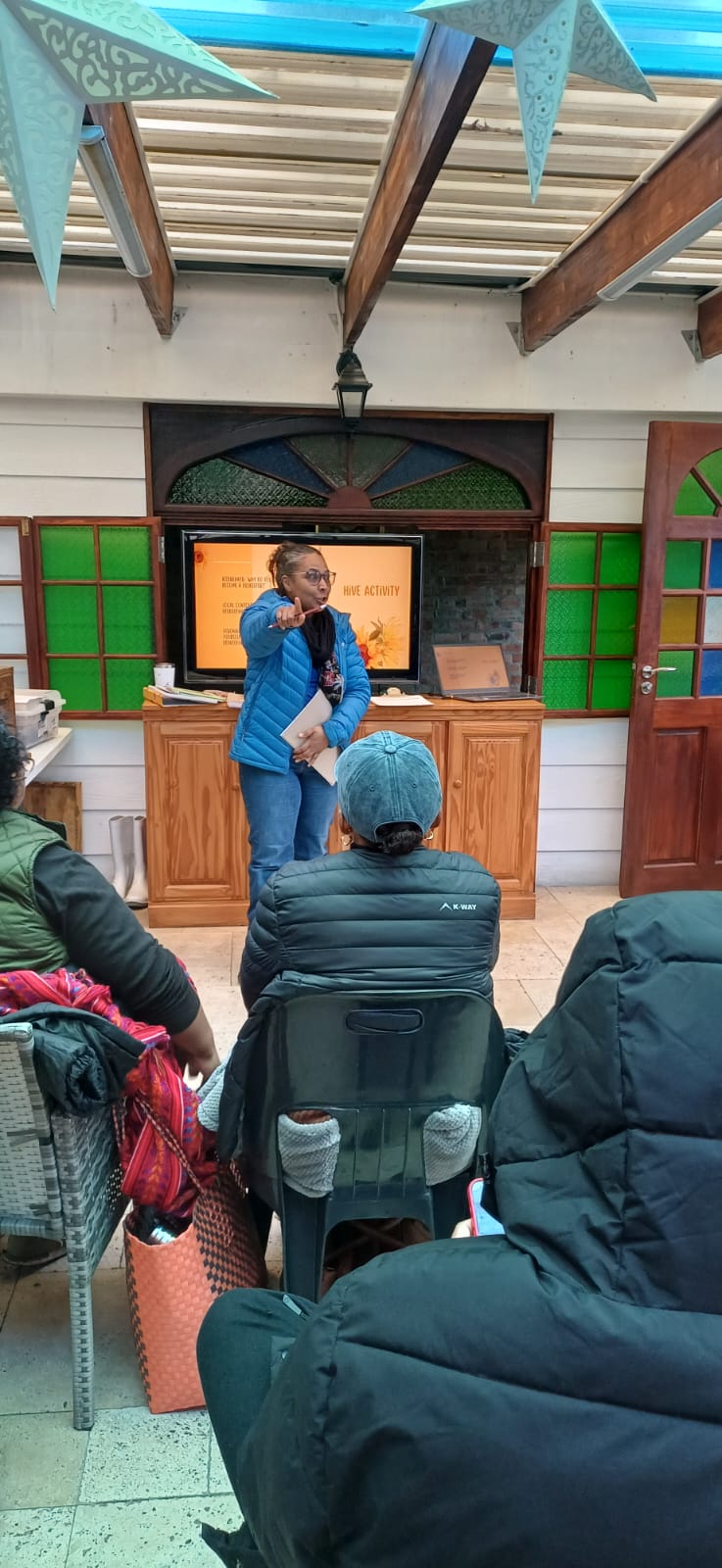
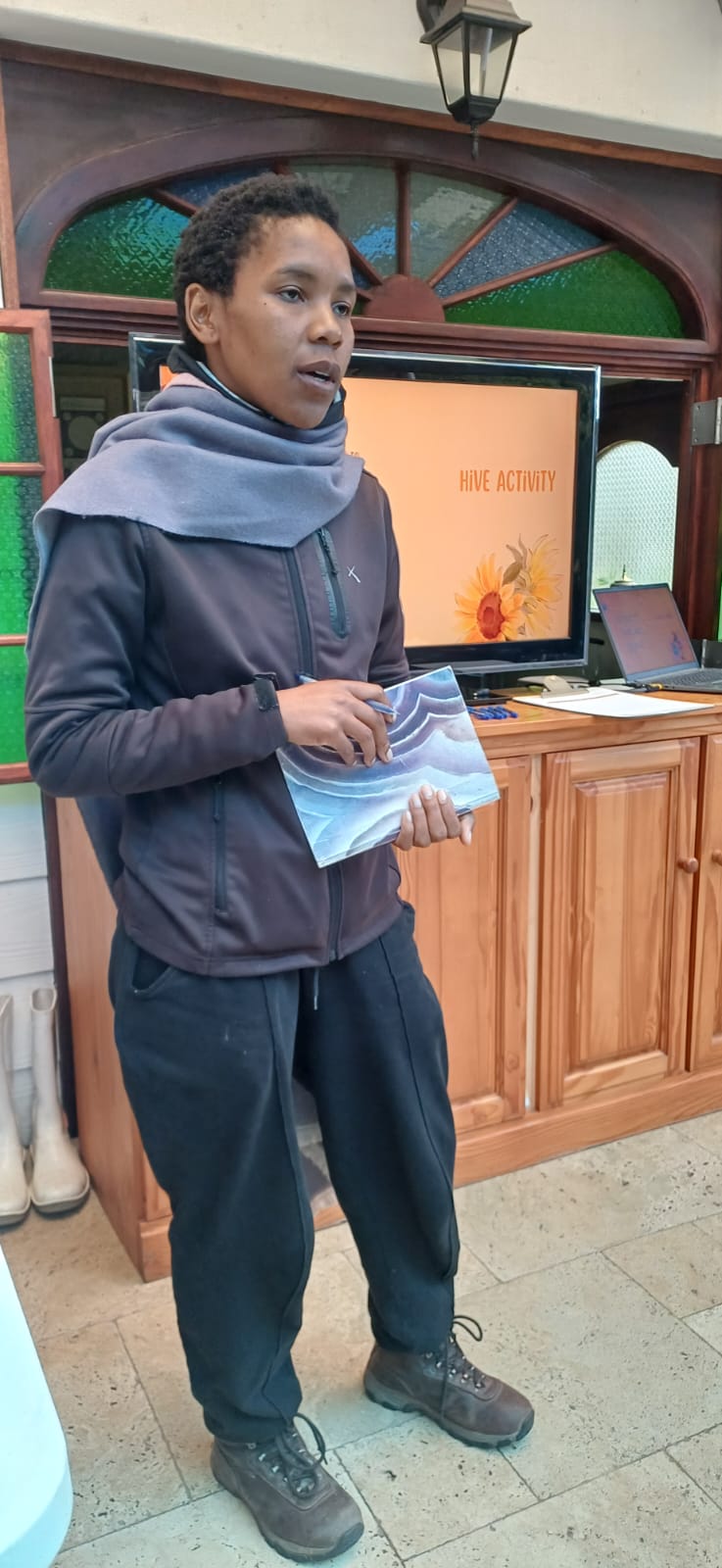
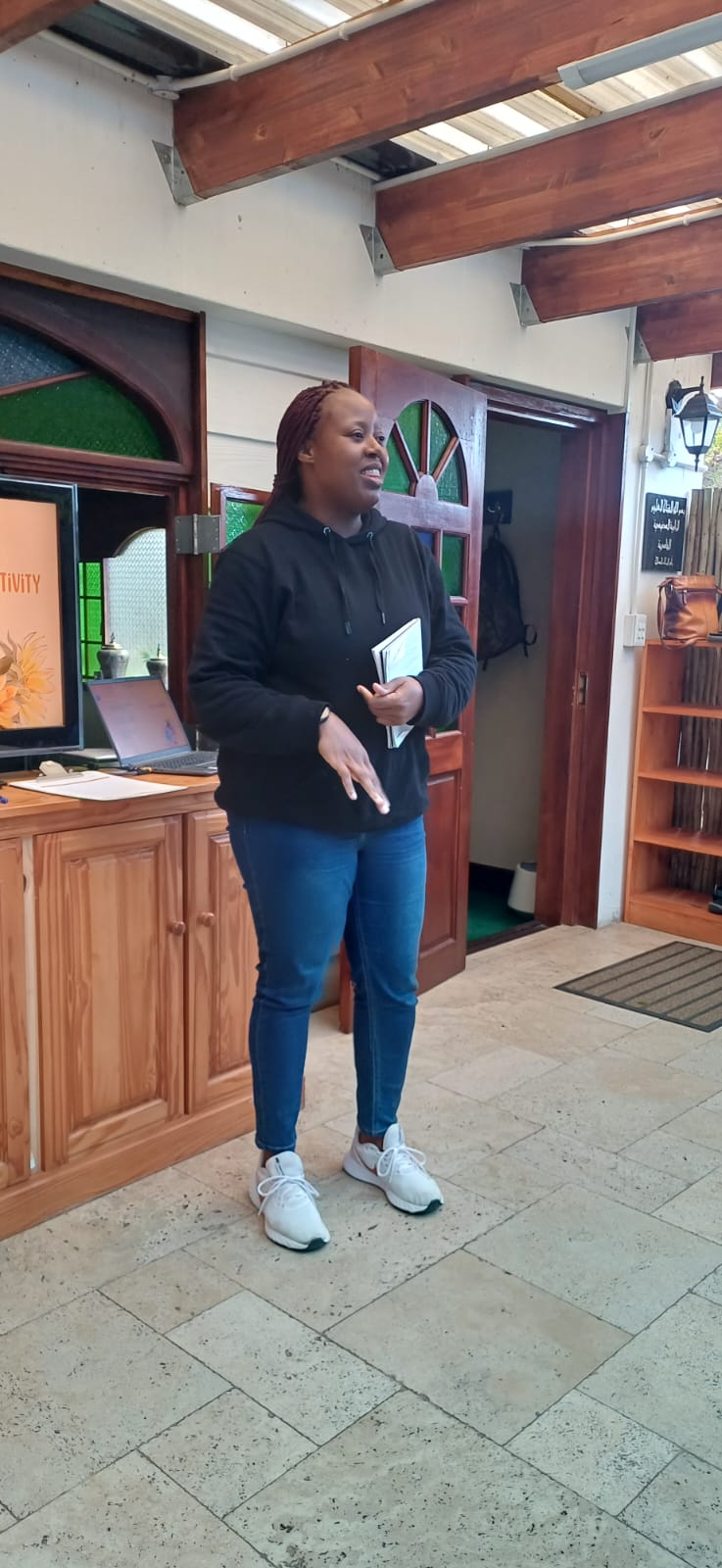
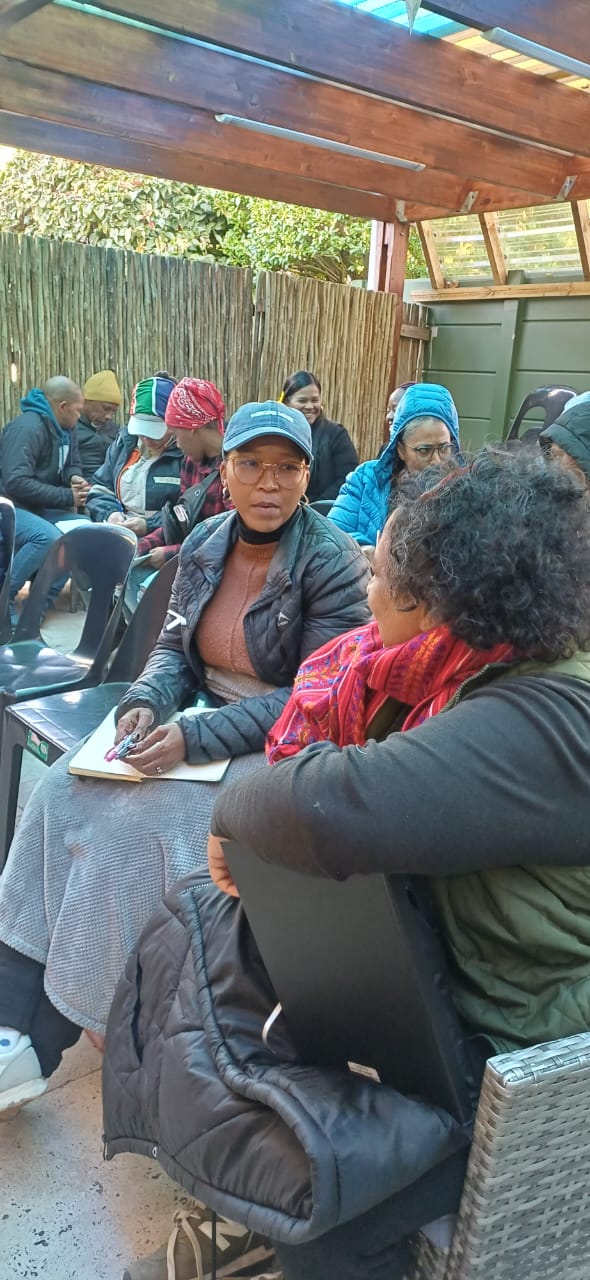
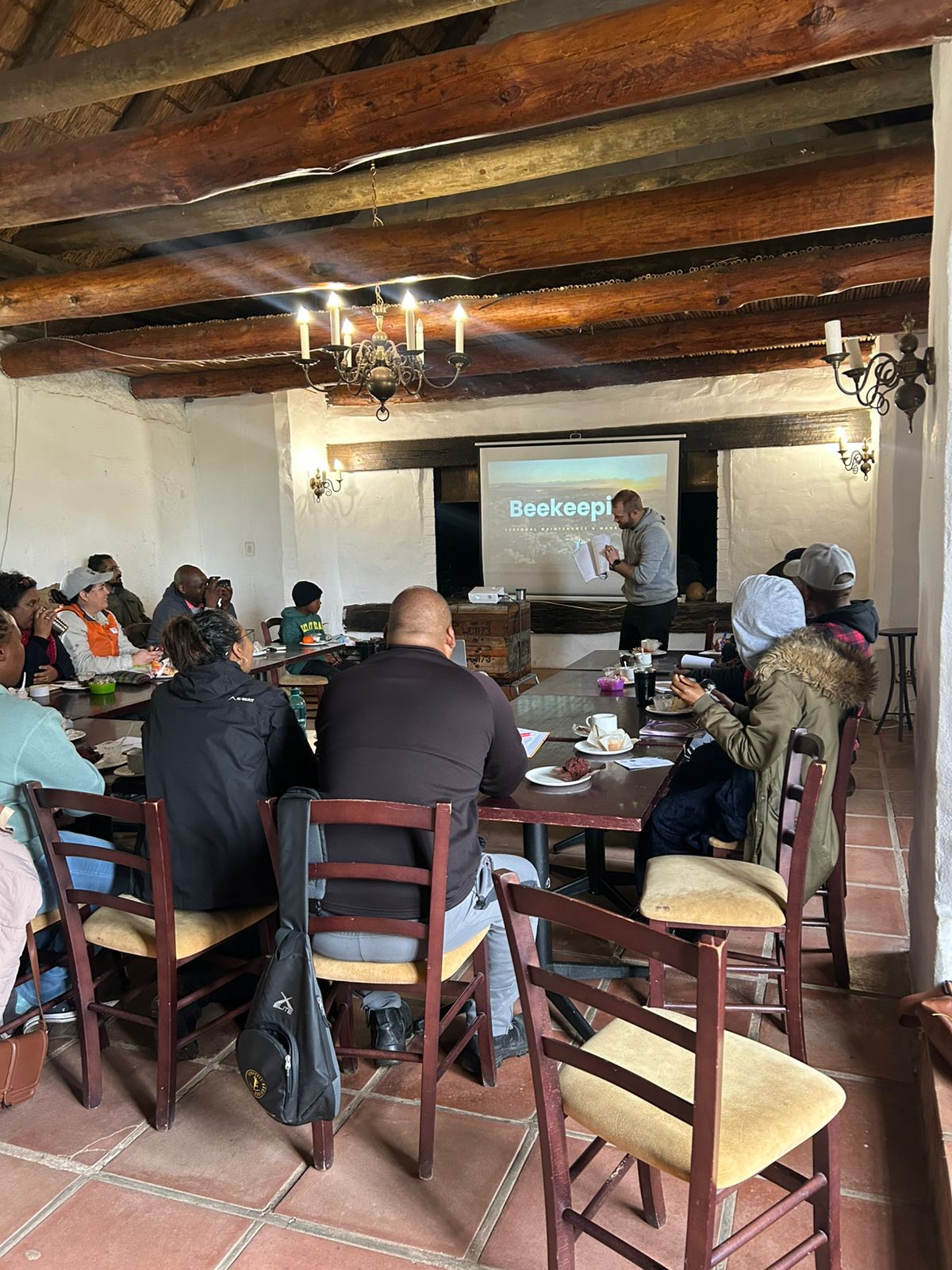
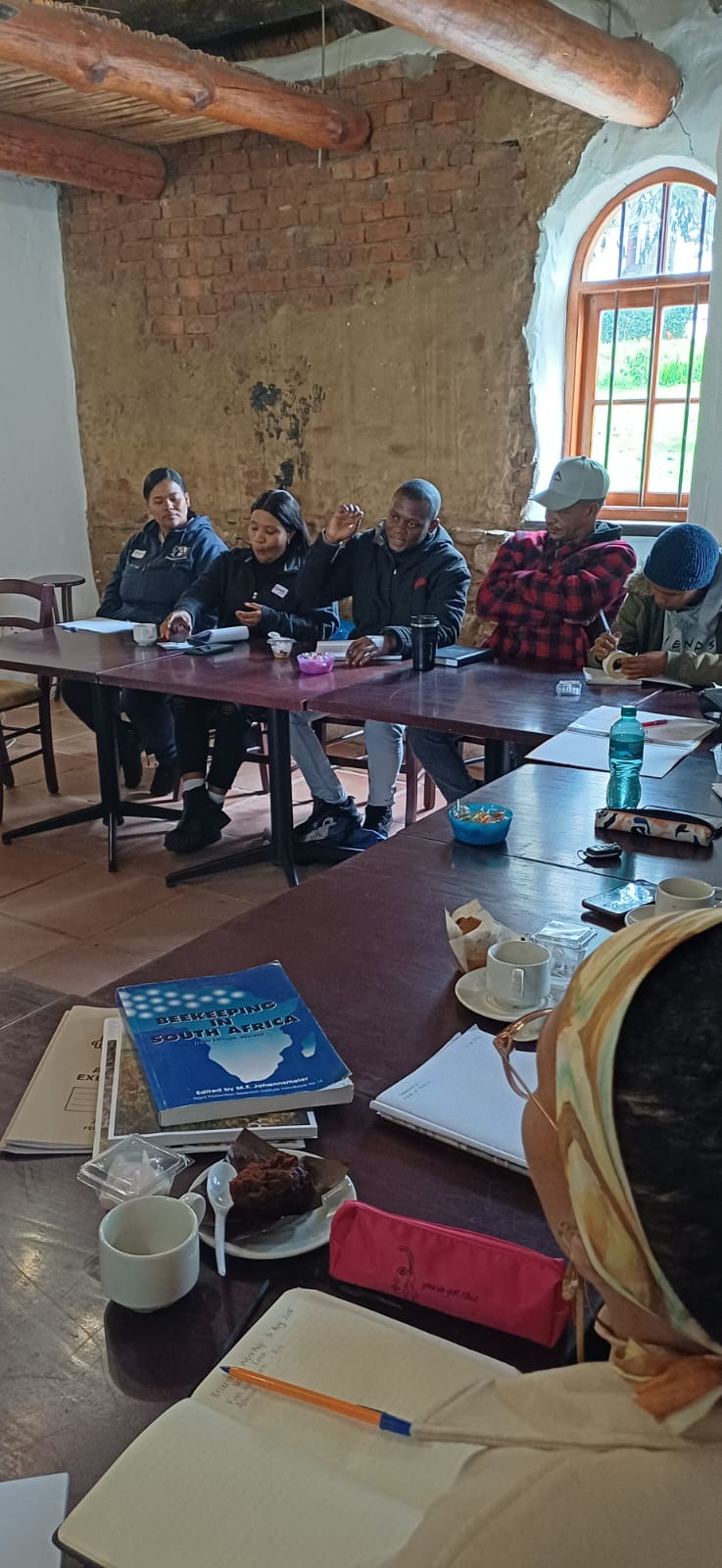
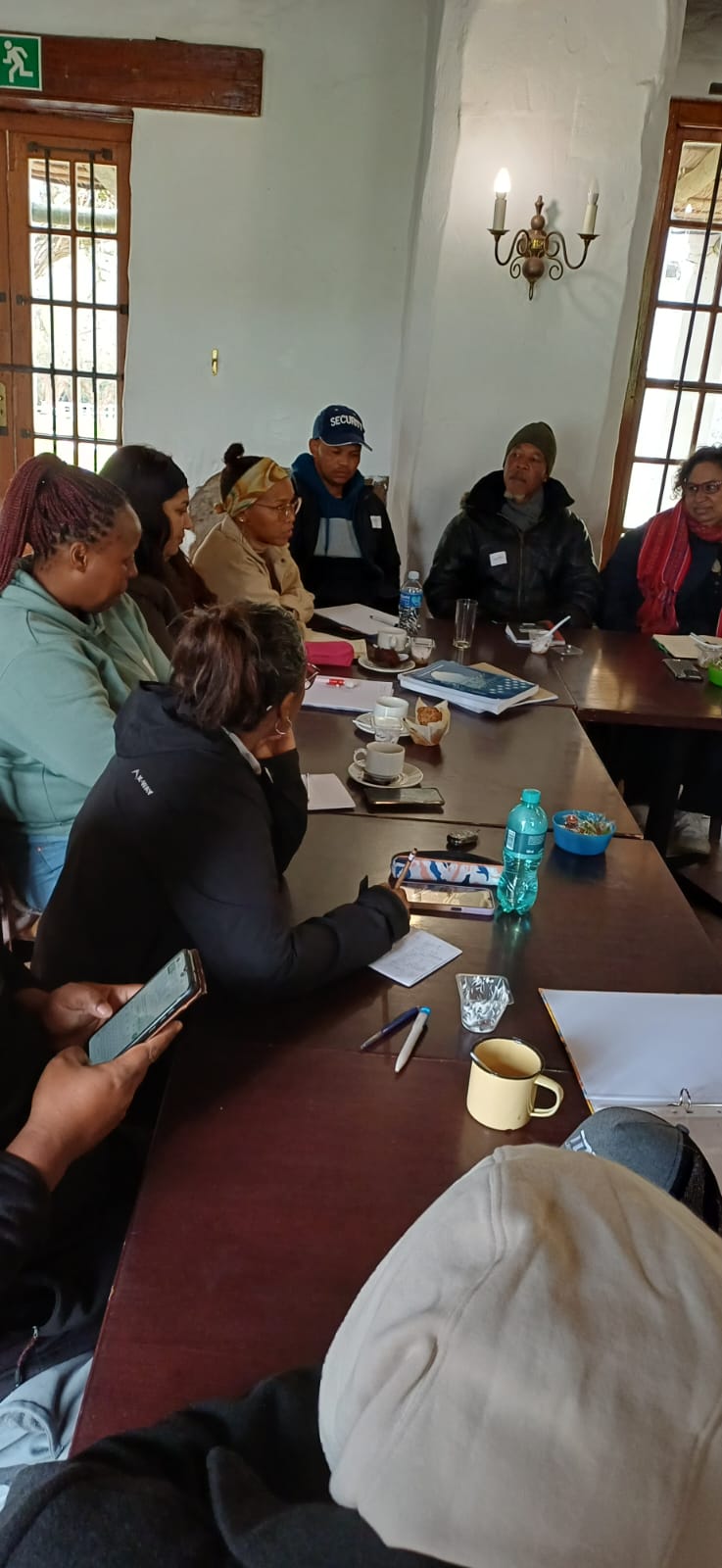
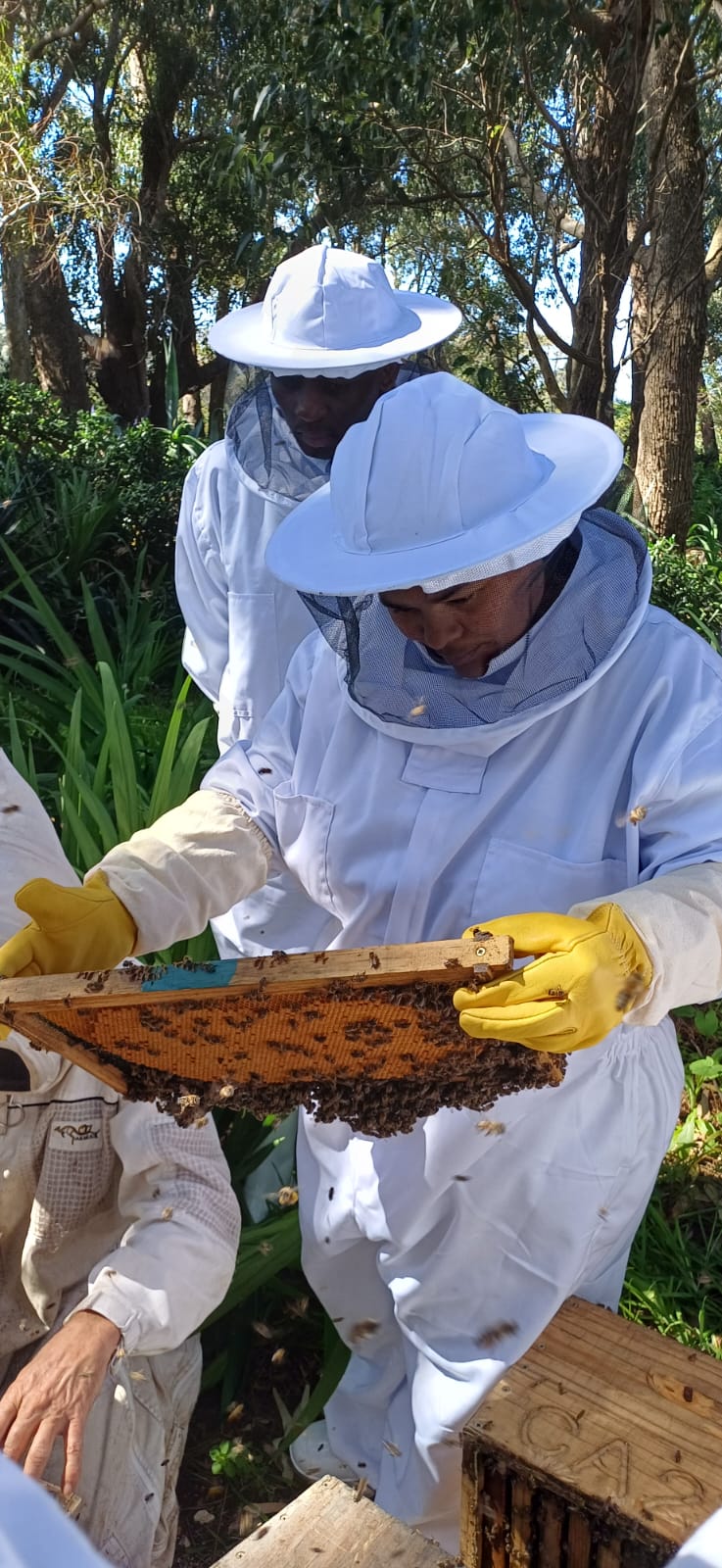
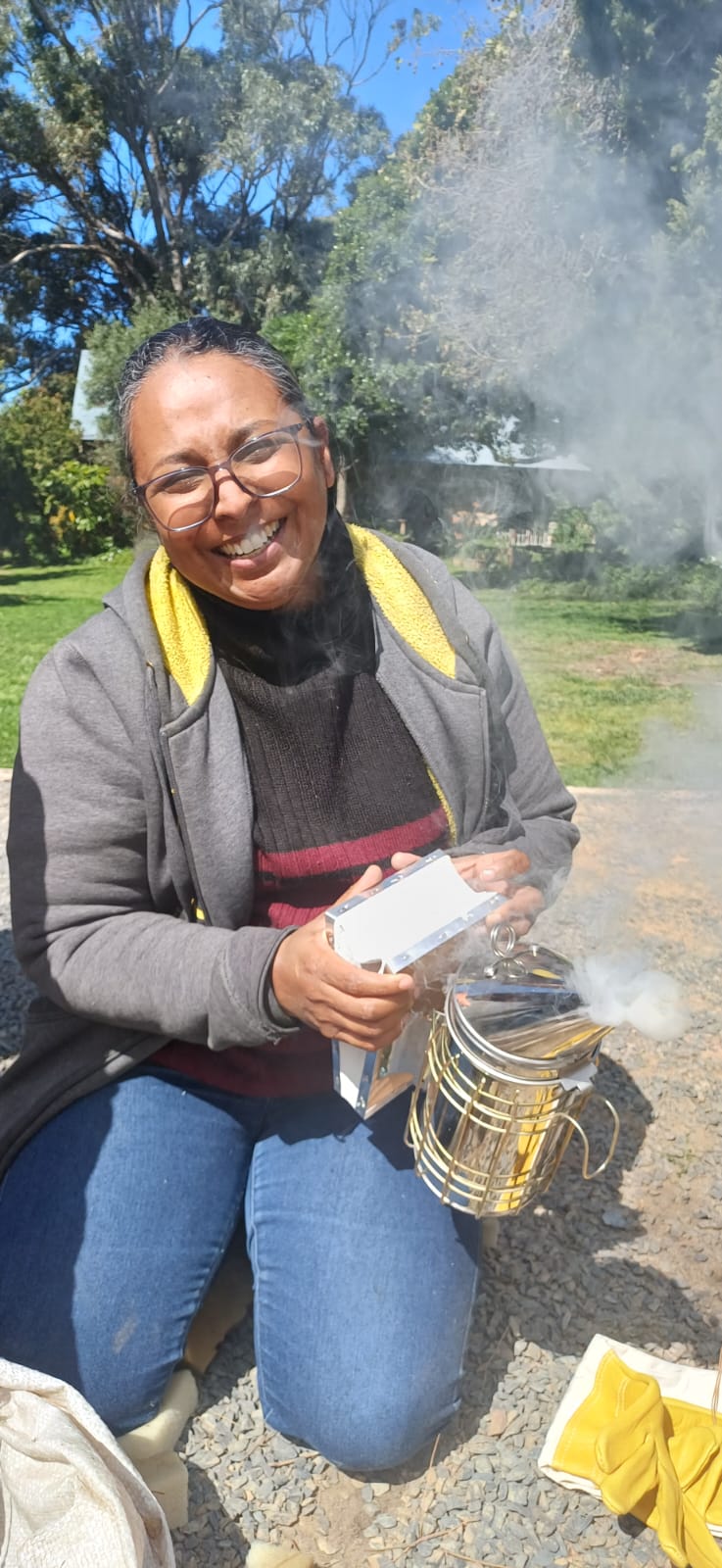
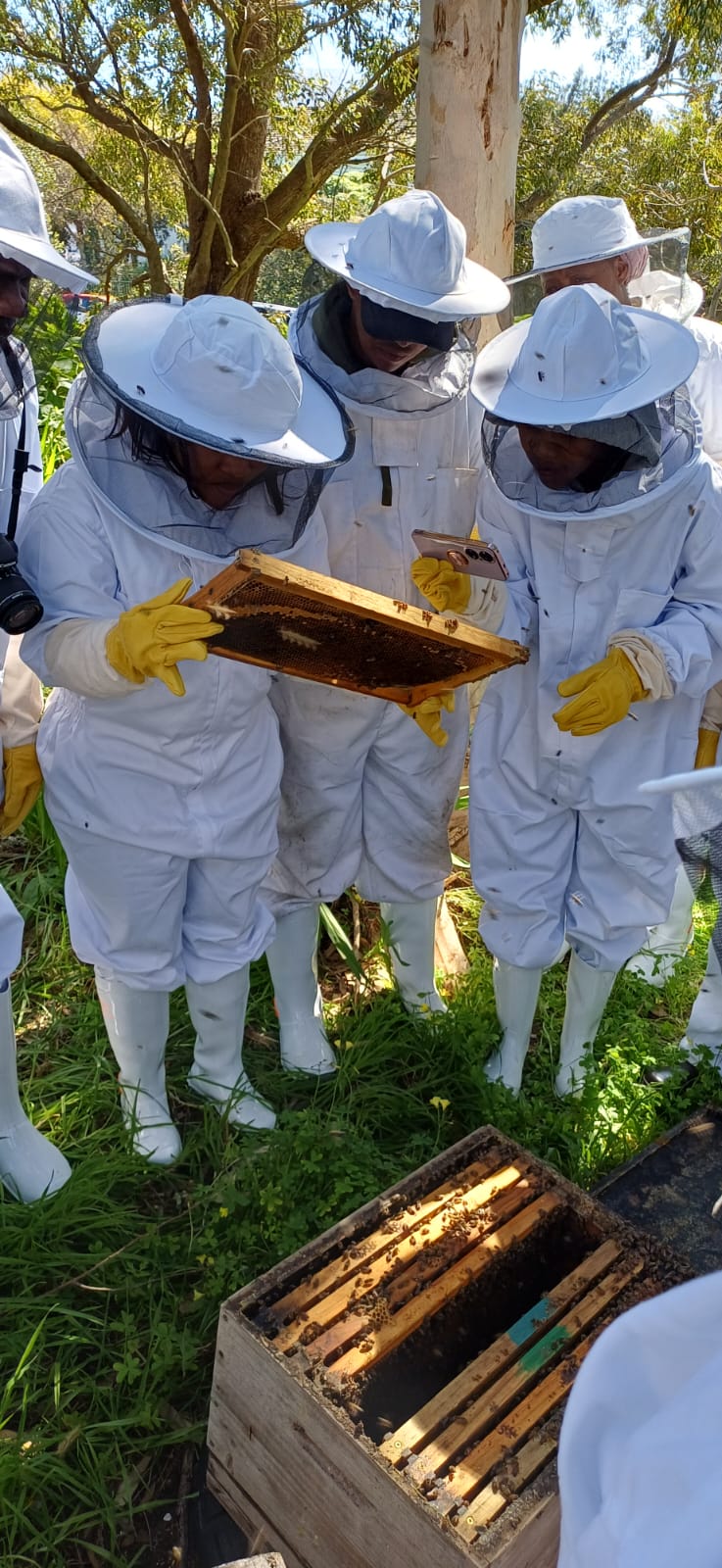
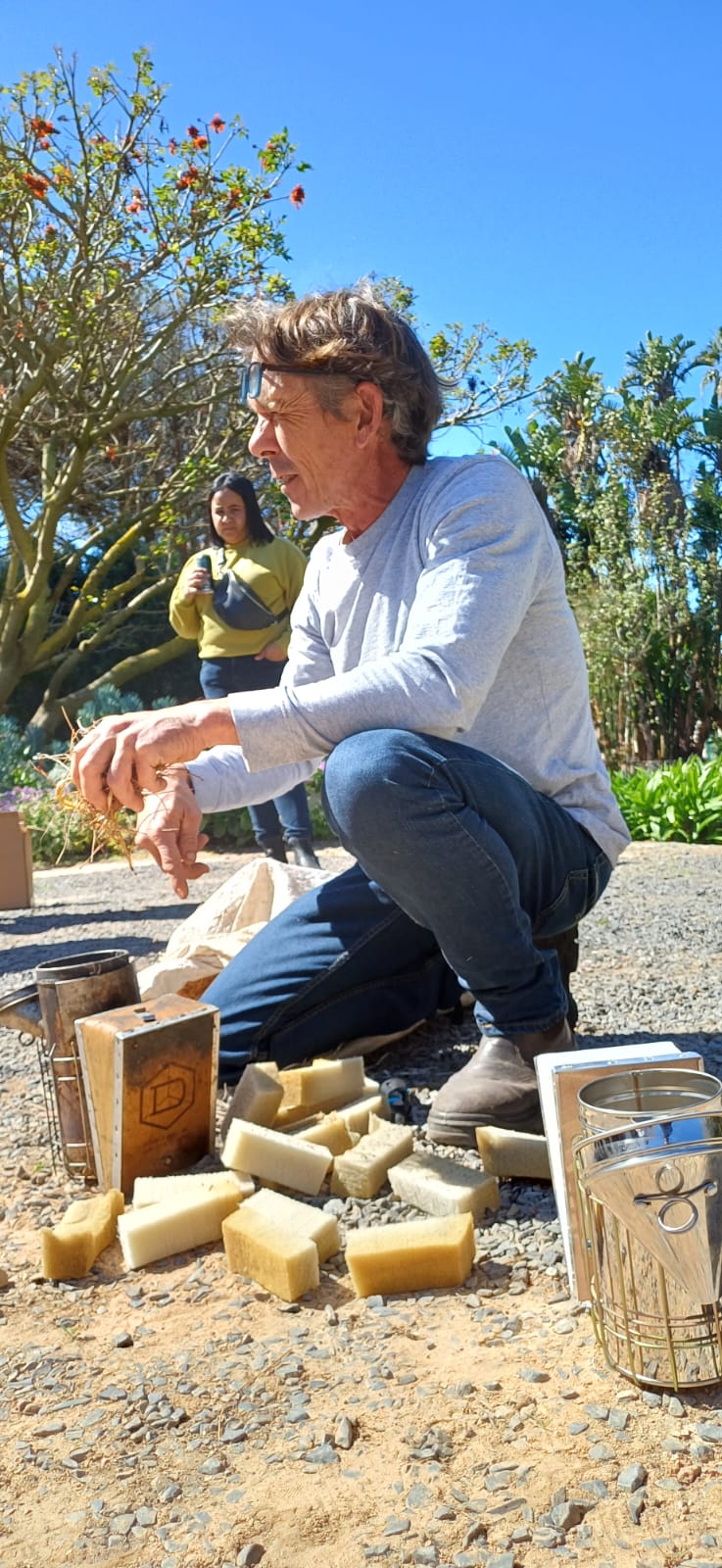
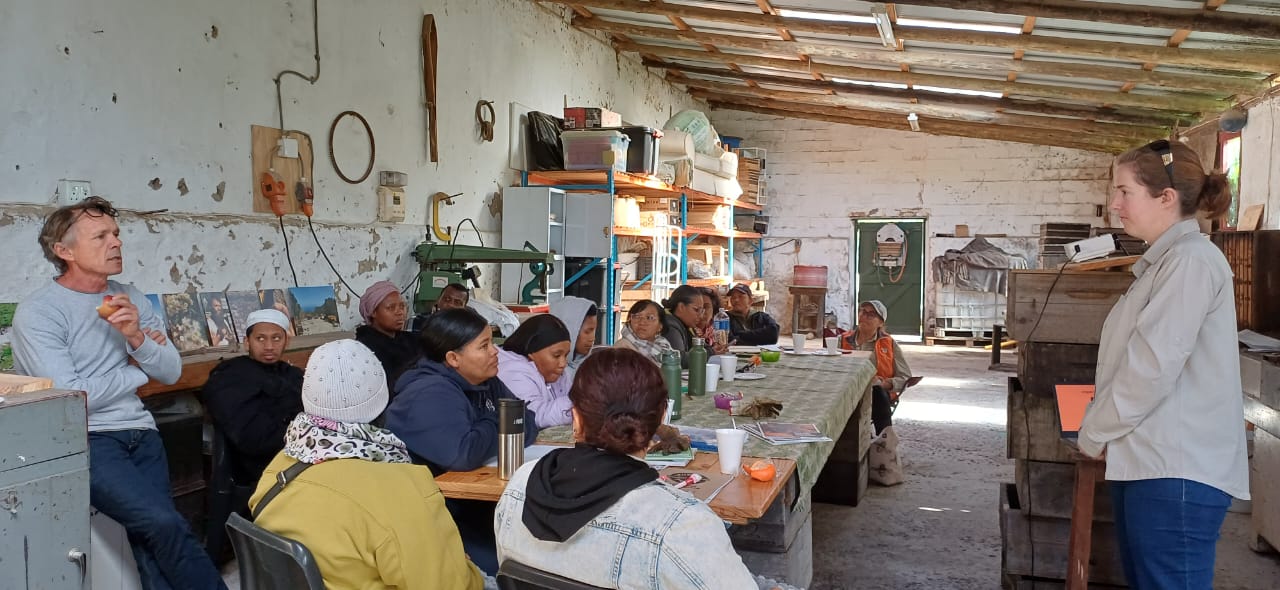
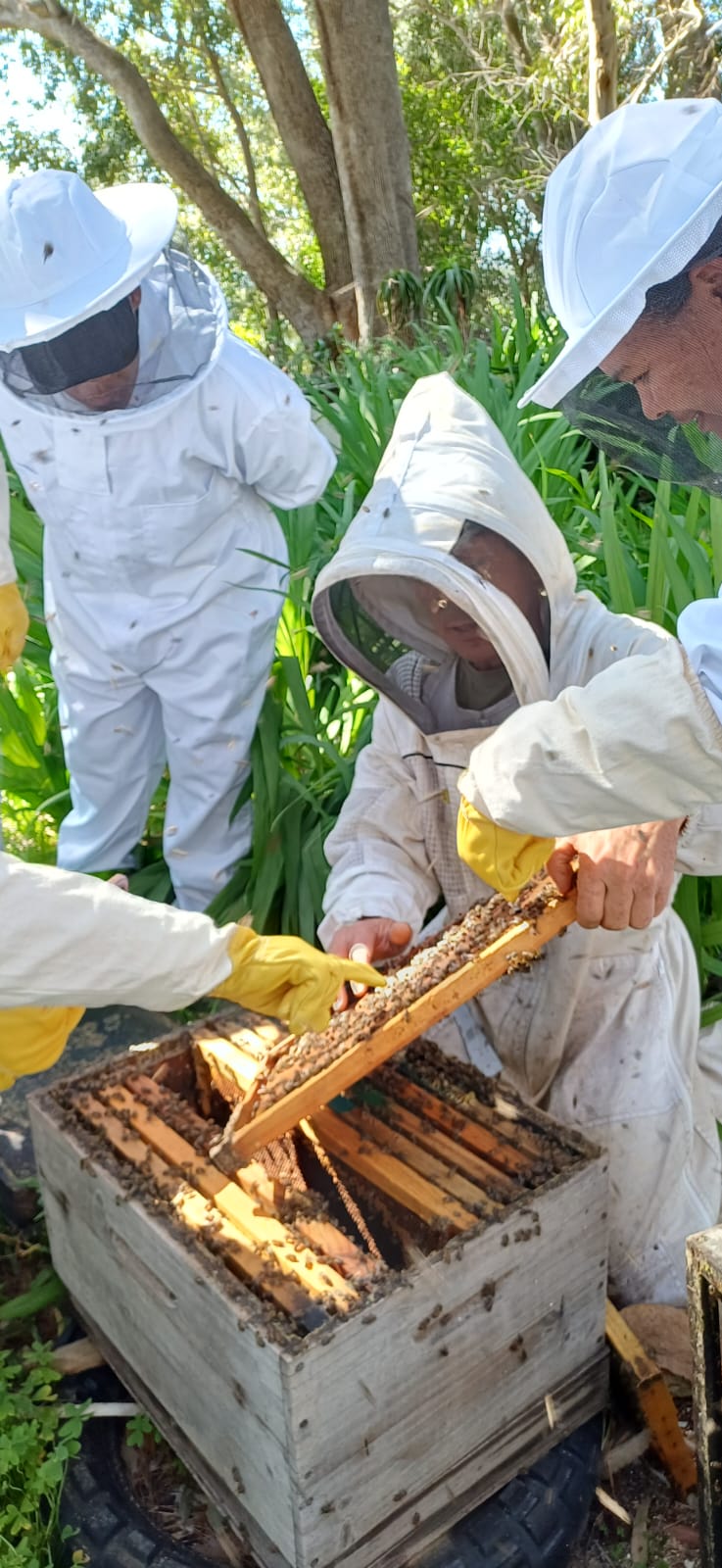
At this workshop, participants were introduced to the fascinating world of beekeeping through an engaging and practical Beekeeping 101 session designed for beginners and aspiring beekeepers. They gained a clearer understanding of the vital role bees play in our ecosystem and how responsible beekeeping can contribute to protecting and supporting them.
This session covered:
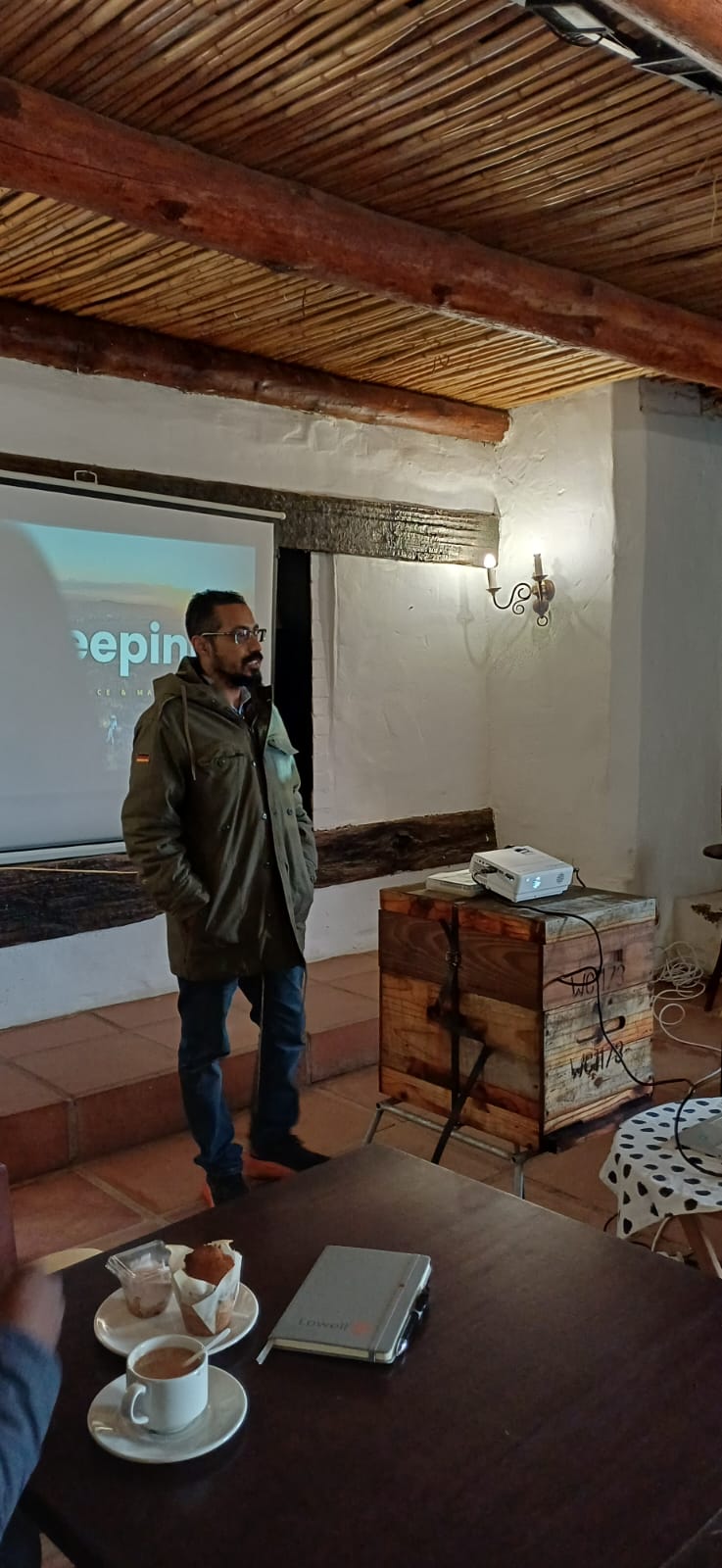
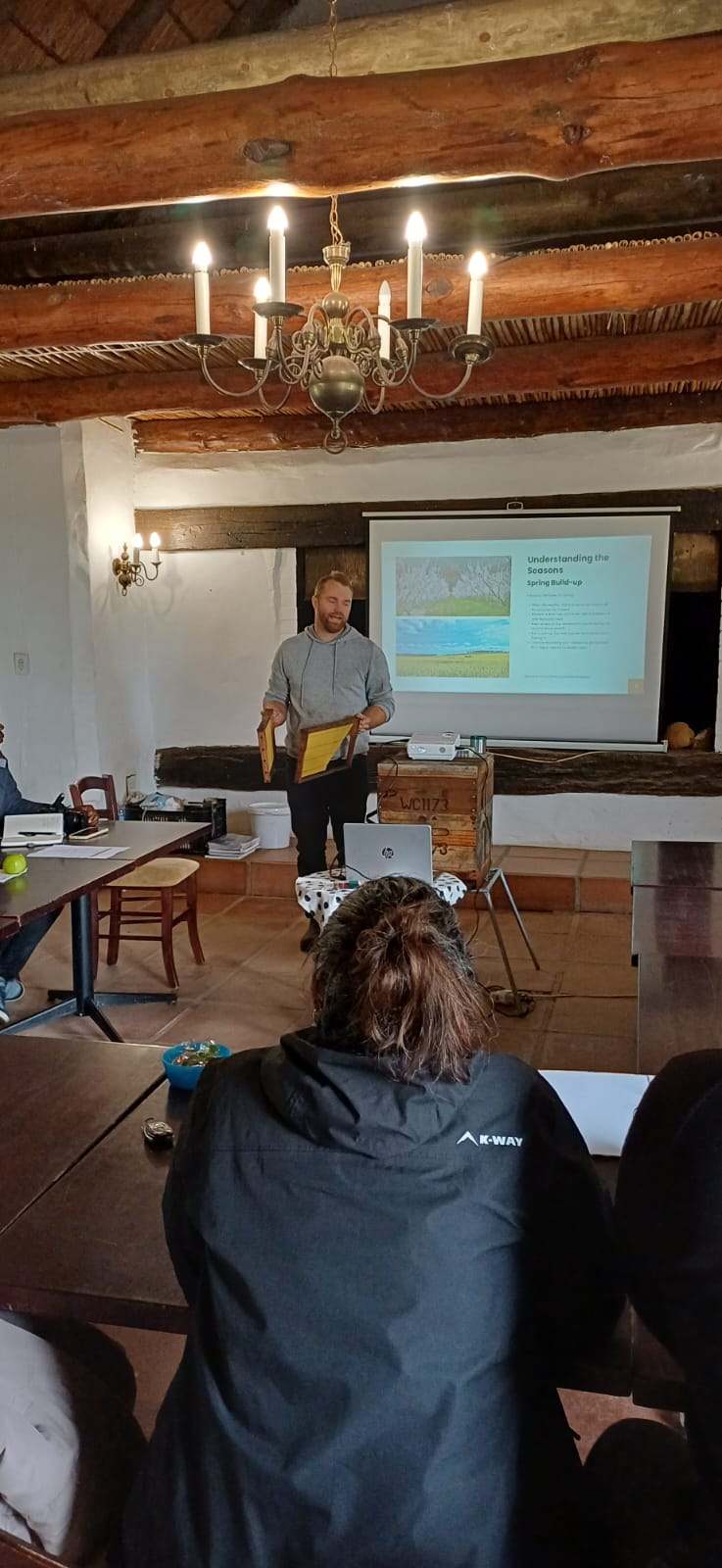
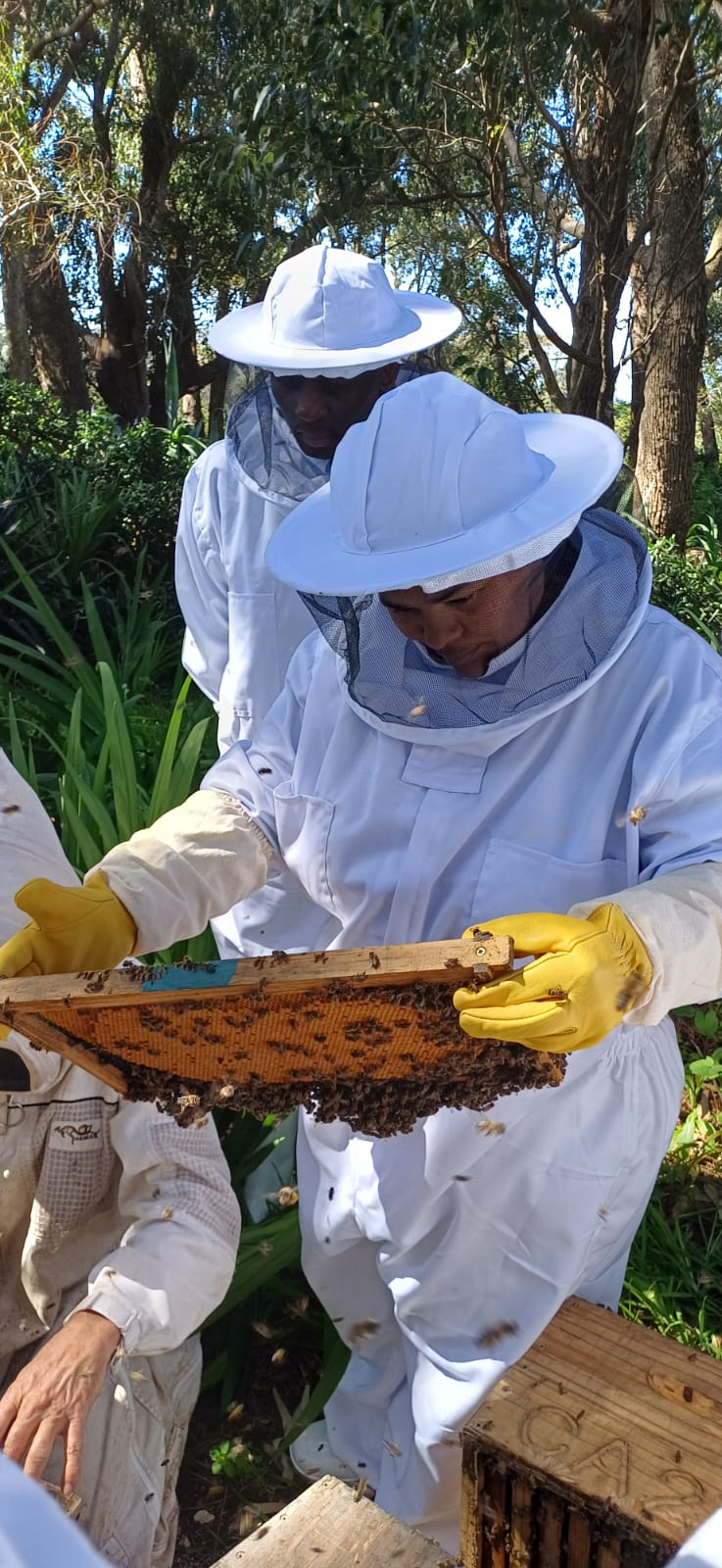
This practical session equiped participants with the knowledge and skills needed to maintain healthy, productive hives throughout the year. From seasonal hive care to safe honey extraction and understanding legal compliance, this workshop is designed for both new and growing beekeepers looking to improve their hive management practices.
This session covered:
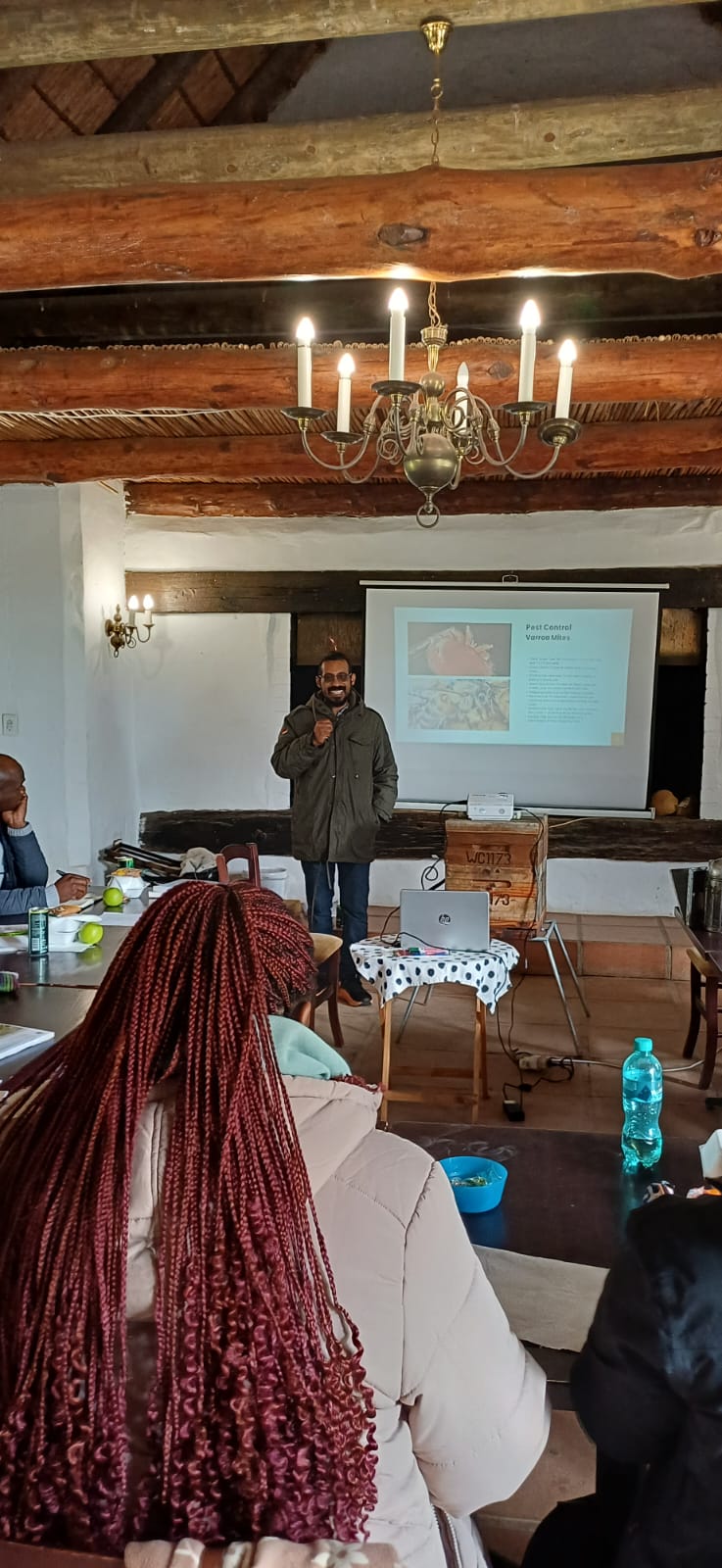
At this workshop participants explored key threats to bees, learned how to spot and manage pests, and discovered when to alert authorities to protect hives and prevent outbreaks.
This session covered:
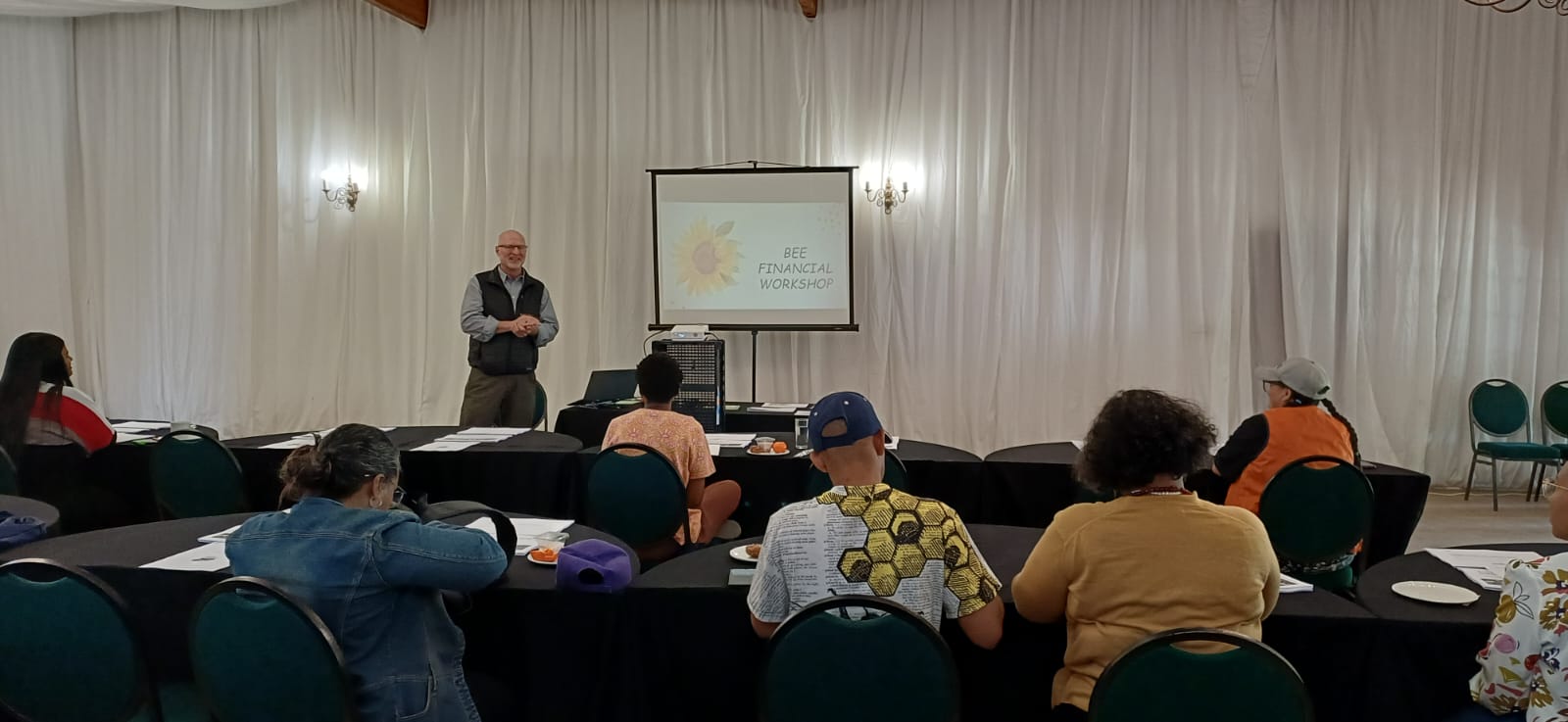
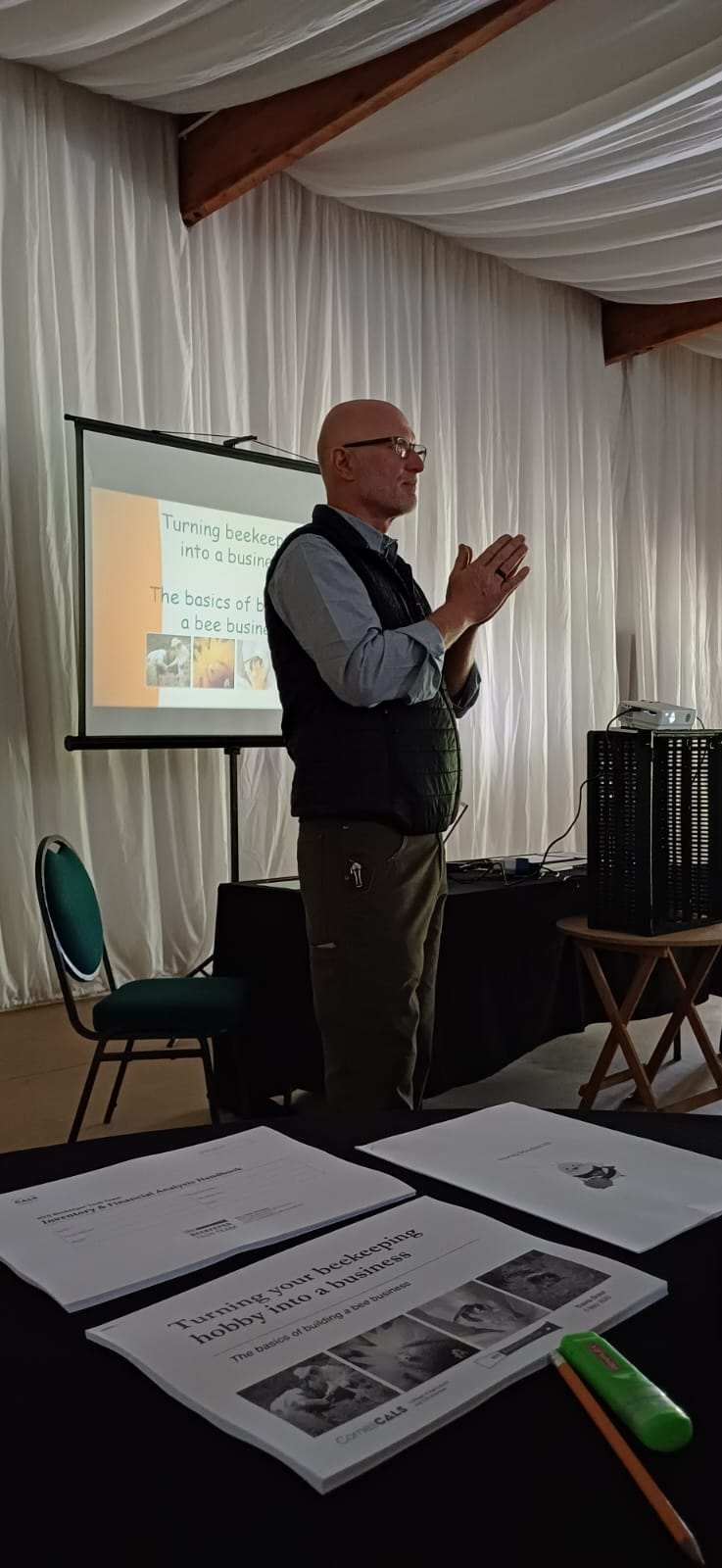
This session explored how to turn beekeeping into a profitable venture. Participants gained understanding on how to build a solid business model, identify market opportunities, and price your products. Uncovering branding, packaging, and marketing to help your honey and hive products stand out. The session also includesd a practical introduction to the Bee Business Calculator, an essential tool to estimate costs, profits, and growth potential.
This session covered: